
SYDNEY TERMITE SPECIALISTS  •   TERMIDOR ACCREDITED  •  1300 953 966
LOWER NORTH SHORE • SYDNEY

Termite Treatment Willoughby

Visible timber damage can be alarming, but damage alone does not tell you whether termites are active today, how far the affected area extends or which treatment is justified. For Willoughby properties, Goliath Pest Solutions can investigate the evidence first and then separate repair questions from termite-treatment questions.
TERMITE INSPECTIONSACTIVE TERMITE TREATMENTCHEMICAL BARRIERSWRITTEN QUOTE REVIEW
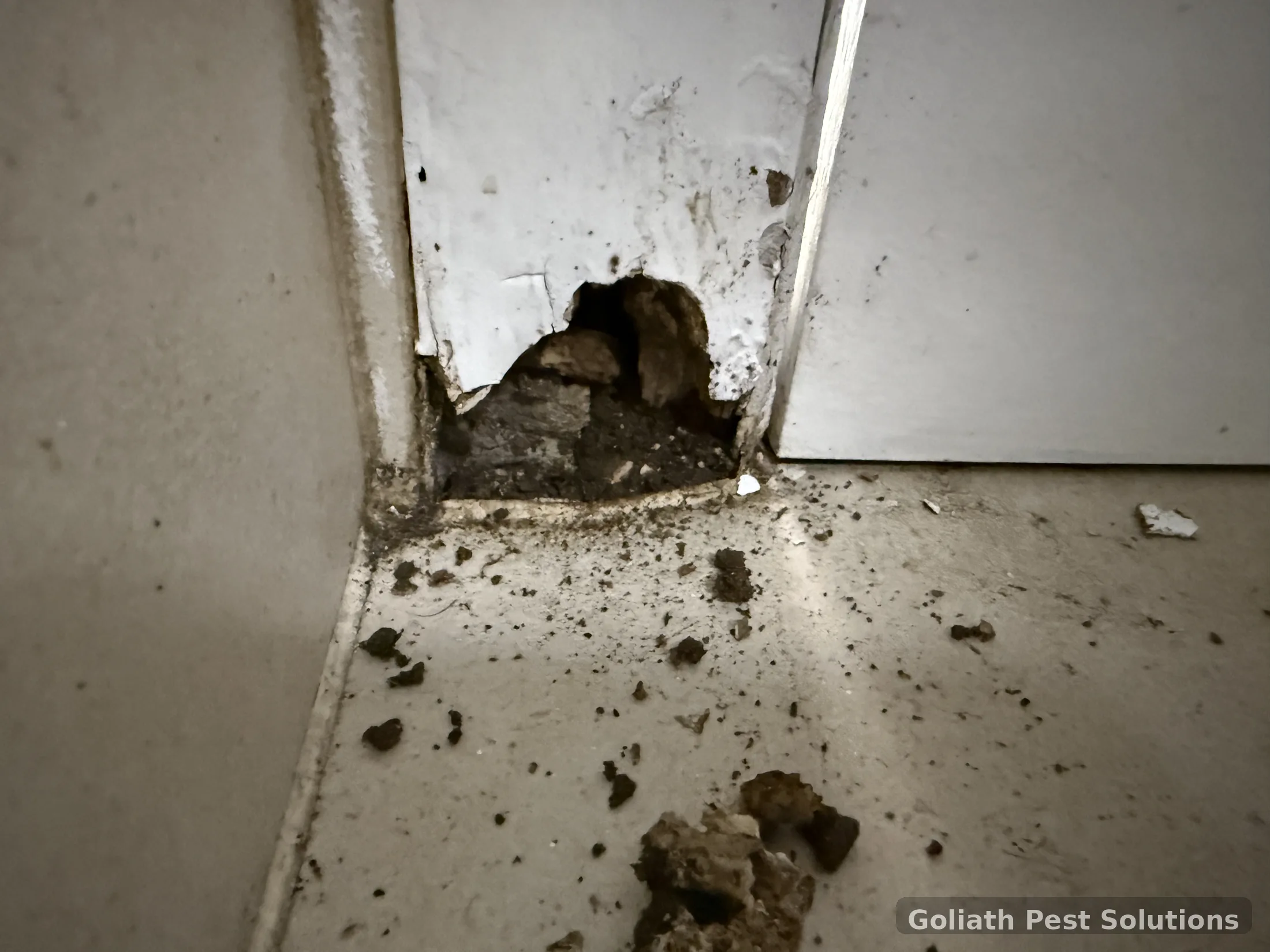
Termite-related damaged material exposed during Goliath field work

Genuine Goliath Pest Solutions field photography. Image location is not represented as Willoughby unless specifically documented.

START WITH THE PROPERTY, NOT A GENERIC PACKAGE

Damage, current activity and structural repair are related but separate questions

Termites can consume timber internally while leaving a surface that initially appears more intact than the material behind it. Once damage is exposed, homeowners naturally want to know how serious it is. A pest inspection can document termite evidence and accessible extent, but structural adequacy may require assessment by an appropriate building professional where significant members are affected.

The treatment decision also needs its own evidence. Old termite damage can remain after a colony has moved or been treated. Conversely, live activity can be present in areas where visible damage is still limited. The technician should therefore look for activity indicators, mudding, moisture, construction pathways and treatment history rather than equating damage with a specific treatment.

Do not confuse treatment with repair:
Stopping or managing termite activity does not restore damaged timber. Repair decisions should be based on the condition and function of the affected building elements.
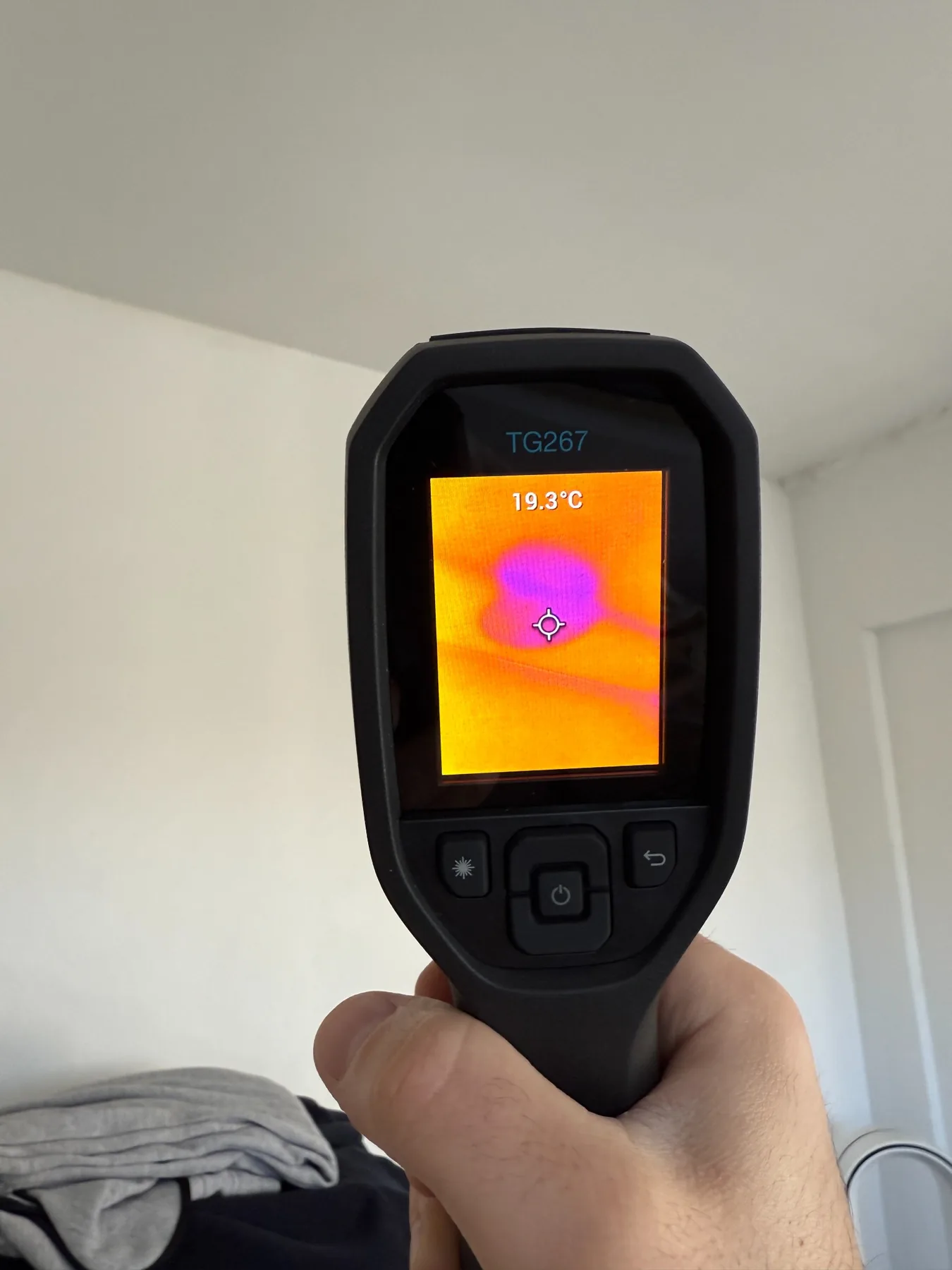
Thermal inspection image captured during termite assessment

Supporting field image used to explain inspection or treatment considerations. It is not presented as a photographed job in Willoughby.

A PRACTICAL DECISION PATH

Separate the three questions before spending money

A clear diagnosis prevents a repair quote, pest treatment and preventive barrier from being bundled together without understanding why each item is needed.

Are termites active?

Look for live termites, fresh mudding and other accessible evidence before assuming damage is current.

What is damaged?

Document accessible affected timber and recognise when a builder or other professional should assess structural implications.

How did access occur?

Review concealed pathways, soil interfaces, subfloor or slab details and inspection-zone visibility.

What protection is justified?

Choose active treatment, barrier, monitoring or a combination based on the property rather than the appearance of one damaged area.

INSPECTION & DIAGNOSIS

The inspection should expand outward from the damaged area

Once damage is found, the temptation is to focus only on the exposed timber. A termite inspection instead considers connected areas and accessible building interfaces that could explain the activity or show additional evidence.

That can include adjacent skirtings and frames, subfloor or slab interfaces, roof or wall access where available, external perimeter conditions and previous treatment evidence. Any inaccessible areas should be recorded as limitations rather than treated as clear.

  • live termites or fresh shelter material in or near the damaged area
  • connected timber and concealed interfaces that can be inspected
  • moisture or leaks affecting the same part of the building
  • external ground levels, slab edges and timber-to-soil contact
  • records showing whether prior termite treatment was completed

Why the inspection matters before treatment

Visible damage is valuable evidence because it tells you where termites have fed. It does not, by itself, show whether the colony is still active, where it is located or which other building areas have been affected.

See our Termite Inspections page for the broader inspection process, or Active Termites if live activity has already been found.

TREATMENT OPTIONS

Treatment scope should be written separately from timber repair

If live termites are confirmed, active-termite management comes first. Longer-term protection can then be considered against the building construction and existing treatment history. Repairs should be coordinated so they do not unnecessarily destroy evidence before the termite question is assessed.

SituationWhat may be assessedUseful next question
Live termites in damaged timberactivity, connected galleries, surrounding interfaces and colony-treatment optionsWhat active-termite treatment is proposed before repairs begin?
Old damage, no activity foundinspection limitations, previous treatment evidence and current risk conditionsIs immediate treatment justified or is monitoring/inspection more appropriate?
Barrier after activityperimeter construction, soil/concrete access and treatment continuityWhich areas are included in longer-term protection and which are excluded?
Repair planningextent and function of damaged building elements plus pest-treatment timingShould a builder or structural professional assess the affected timber before replacement?

Where a soil-treated zone is appropriate, read our Chemical Barriers guide. If a previous system is uncertain, the unknown barrier or treatment history guide explains what old records and visible evidence can and cannot establish.

WILLOUGHBY DAMAGE SCENARIO

When damaged timber is discovered during maintenance or renovation

Opening a wall, removing a skirting or carrying out maintenance can reveal termite damage that was previously concealed. Before all of the affected material is removed, photograph the area and arrange assessment if termite activity is uncertain. The exposed opening may provide unusually useful access for inspection.

Our Hidden Termite Damage guide explains why the visible surface may understate internal feeding and why old damage is not proof of current activity. If mud tubes or live insects are present, the Termite Mud Tubes and Active Termites pages explain the next steps.

After the pest question is documented, repair planning can proceed with clearer information. Keep photographs and reports with the property records so future inspections can distinguish repaired historical damage from new findings.

COMPARE THE SCOPE, NOT ONLY THE TOTAL

A written termite quote should make the proposed work understandable

A proposal prepared after damage is found should say whether it is treating confirmed activity, providing preventive protection or both. It should not use the word “damage” as a substitute for describing treatment areas.

Compare any allowance for opening, drilling, trenching, follow-up visits, monitoring and warranty conditions. If repair work is quoted separately, keep the scopes distinct so each contractor’s responsibility is clear.

Already have a written proposal? Use Termite Quote Beat to submit it for a like-for-like review. If price is still the main uncertainty, our Termite Treatment Cost page explains why construction, access and treatment scope can materially change a quote.

Useful details to compare

  • areas included and excluded
  • product or system proposed
  • drilling, trenching, rodding or other installation work
  • active-termite treatment versus longer-term protection
  • inspection, monitoring and warranty conditions
  • what happens if site conditions differ on the day
QUESTIONS HOMEOWNERS ASK

Termite treatment Willoughby FAQs

Does termite damage mean termites are still active?

Not necessarily. Damage proves past feeding in the affected timber. Current activity requires additional evidence and inspection.

Should damaged timber be removed immediately?

If active termites may be present, avoid unnecessary disturbance until the area is assessed. Once the termite evidence is documented, repair can be planned appropriately.

Can pest technicians determine whether timber is structurally safe?

A pest inspection can document termite damage and activity. Where structural adequacy is in question, advice from an appropriately qualified building professional may also be needed.

Can a barrier repair damaged timber?

No. A termite-management treatment addresses pest risk; it does not restore the strength or condition of damaged building materials.

INFORMATION BASIS

Useful independent guidance

The Australian Museum describes termites as social insects that can damage wooden structures: Australian Museum termite information. NSW Government provides general guidance on termite-management systems and ongoing inspections: Home building safety and standards.

These sources provide general guidance. A treatment recommendation still needs to be based on the construction, accessible evidence and conditions at the individual property.

TERMITE HELP IN WILLOUGHBY

Found suspicious or damaged timber in Willoughby?

Photograph what you found and arrange a termite assessment before the evidence is unnecessarily disturbed. We can then discuss active treatment, longer-term protection and how the pest scope fits alongside repair work.

RELATED TERMITE RESOURCES

Termite options for Willoughby

If you are comparing termite work for a Willoughby property, use these pages to move from inspection or active activity into the appropriate treatment and quote-review pathway.

Find termite answers and real projectsSydney termite specialists
Case StudiesActive TermitesTermite BarriersInspectionsTermidor HE
SYDNEY TERMITE SERVICE AREAS Looking for termite treatment in your suburb?
VIEW ALL SERVICE AREAS →
SUBURB NOT LISTED? NO PROBLEM. We service properties across the wider Sydney area.

Enter your postcode and we’ll check whether it falls within our standard service area from Mortlake.

Coverage is an approximate service-area check based on postcode location, not driving distance. Quote review is still available for edge-of-area and larger termite projects.