
Moisture does not manufacture a termite colony, and a high moisture reading is not proof of termites. The connection is more practical: subterranean termites require protected humid environments, while leaks, damp subfloors, poor drainage and concealed wet building areas can create favourable conditions and make inspection more difficult. Managing the moisture source is therefore part of sensible termite risk reduction.

Termites live in protected environments where they avoid drying out. Field of Mars EEC notes that termite shelter tubes help protect insects from dry air, while local NSW guidance recommends maintaining subfloor ventilation and keeping building edges clear. Those points help explain why persistent dampness around a building deserves attention during termite assessment.
A leaking shower, pipe, tap, downpipe or drainage problem can keep building materials and soil wet for long periods. In a subfloor, poor ventilation can compound dampness and mould. Around the external perimeter, water held against foundations or garden beds can also reduce the clarity of inspection zones.
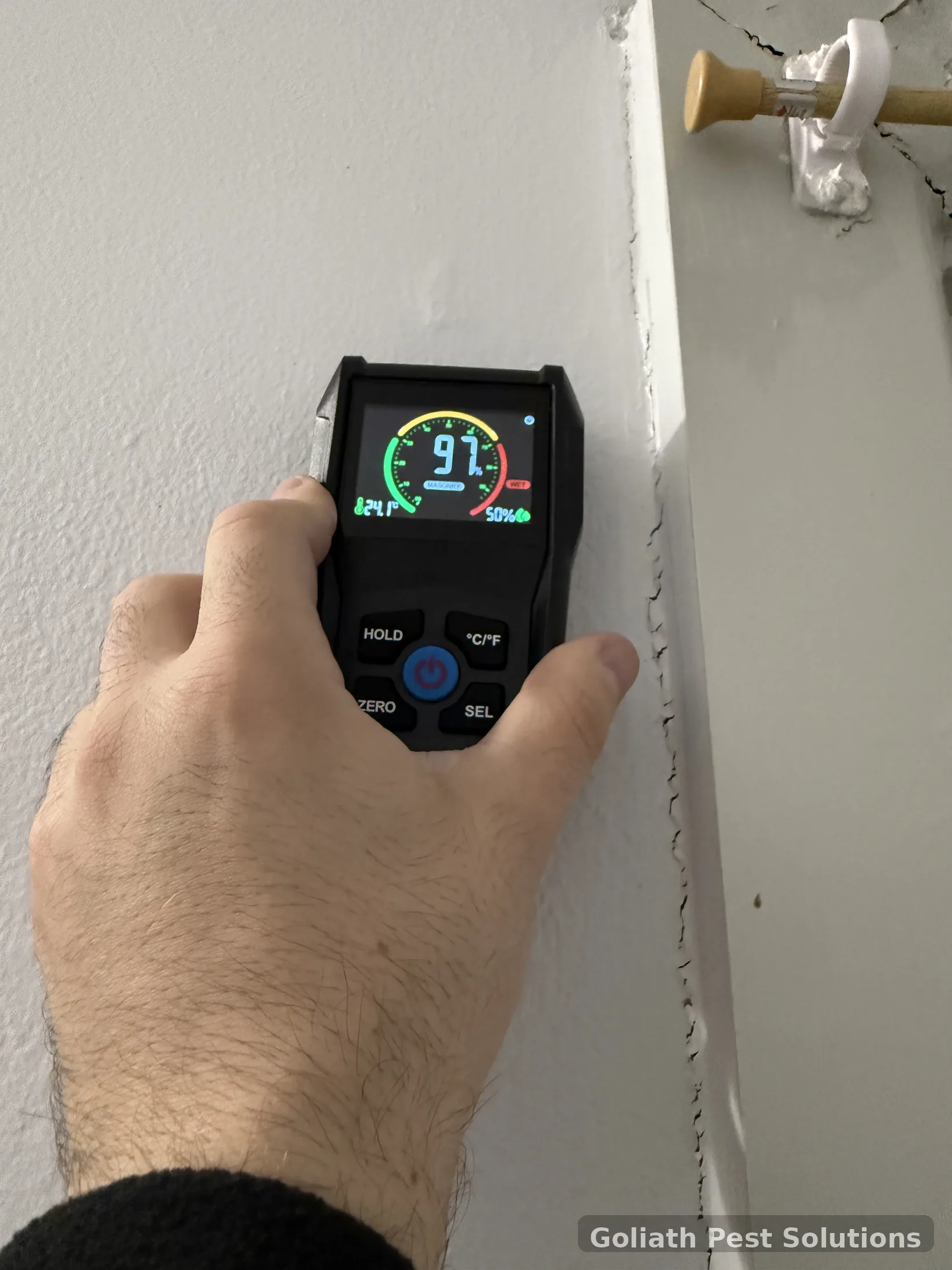
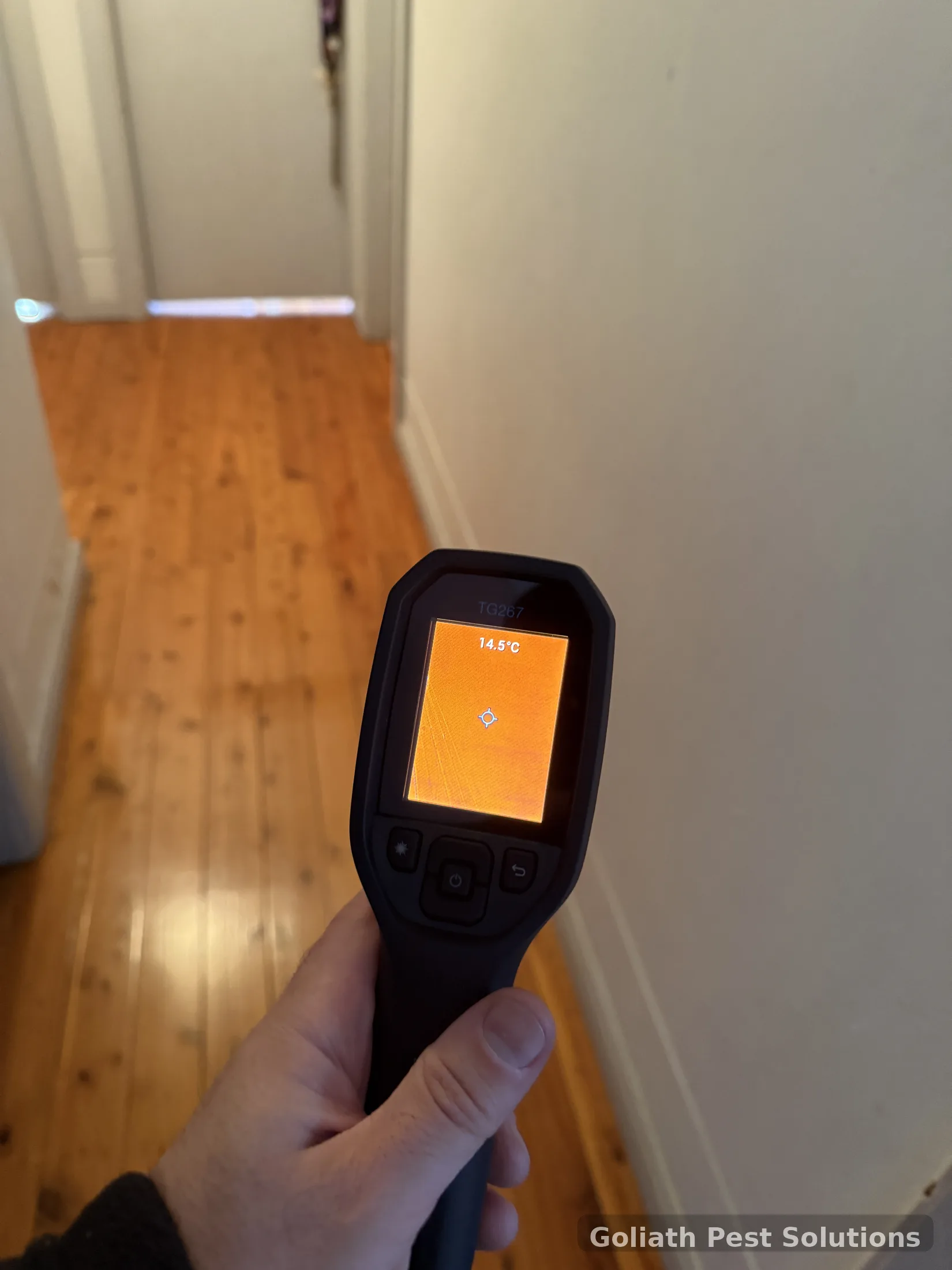
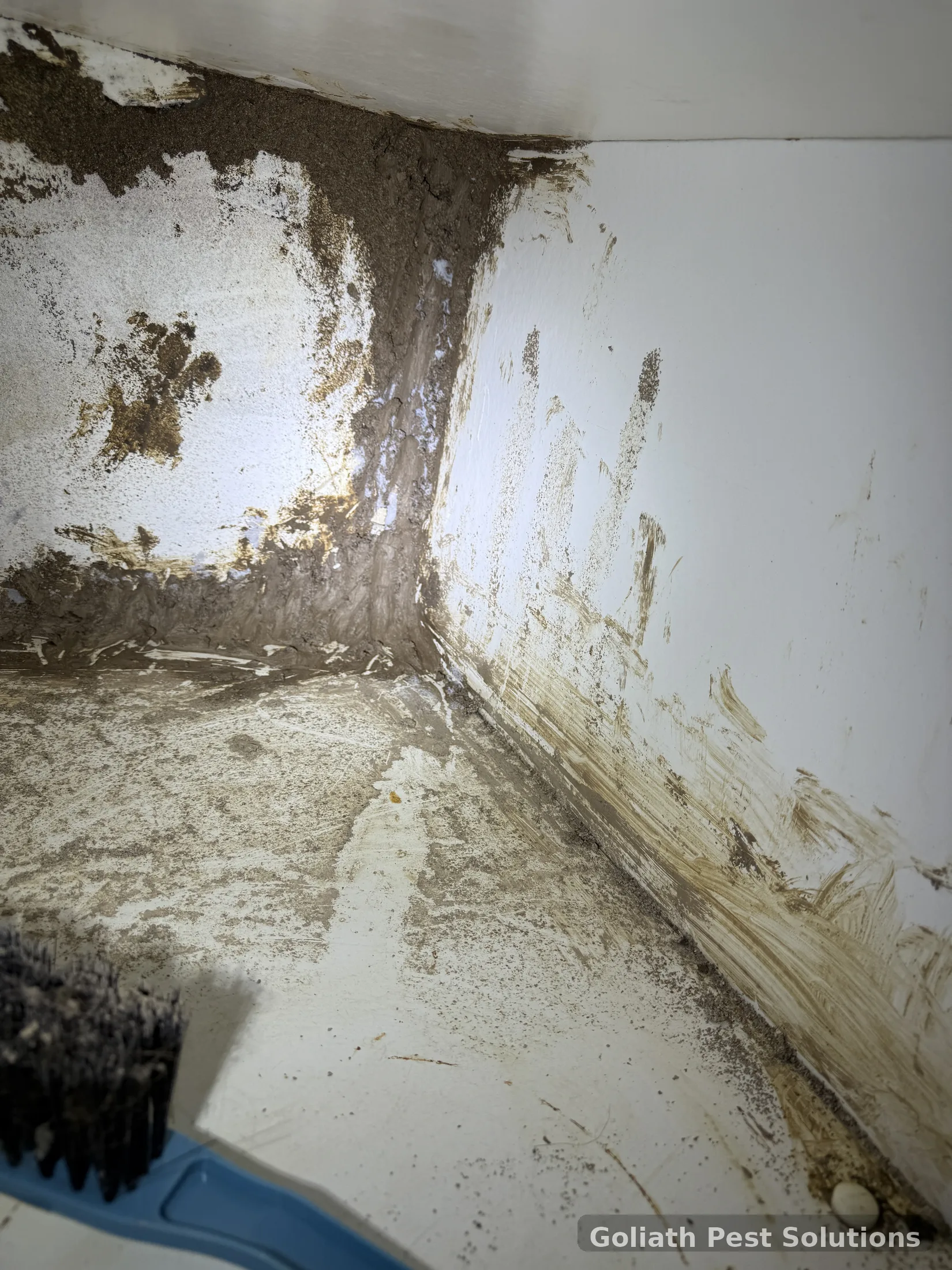
Slow leaks can keep wall, floor and subfloor areas damp without producing an obvious flood. Repair the source and assess adjoining timber and voids.
Water collecting beside foundations or under the house can create persistent damp ground conditions and complicate termite inspection.
Restricted airflow can contribute to damp and mould in raised-floor homes. Access and ventilation should be considered together with drainage and leaks.
Soil, mulch and dense landscaping against the building can hold moisture and hide slab edges or foundation surfaces that should remain inspectable.
A moisture meter can identify areas with readings that differ from surrounding materials. Thermal imaging can reveal temperature patterns that may justify closer inspection. Neither device proves termites on its own. Professional interpretation considers the building, materials, recent weather, plumbing, ventilation and other evidence before deciding what the reading means.
| Finding | What it can support | What it cannot prove by itself |
|---|---|---|
| Elevated moisture reading | Focus closer assessment on a wall, floor or timber area. | That termites are present or that the moisture cause is known. |
| Thermal anomaly | Highlight an area that differs from surrounding surfaces. | The pest species, extent of damage or exact cause of the anomaly. |
| Damp subfloor soil | Identify a conducive condition that warrants drainage and ventilation review. | That the subfloor has active termites. |
| Visible leak | Provide a building defect to repair and an area to inspect carefully. | That pest treatment alone will resolve the underlying condition. |
If live termites are present, the active infestation needs professional assessment. At the same time, plumbing, drainage, ventilation or building defects causing persistent damp should be addressed by the appropriate trade. Removing a conducive condition does not automatically eliminate an existing termite colony, while termite treatment does not repair a leaking pipe or failed drainage system.
For damp raised-floor homes, Goliath can also discuss termite inspection and the role of improving subfloor conditions where relevant. If a building report has already flagged moisture and requested termite follow-up, see Building Inspector Recommended a Termite Inspection?.
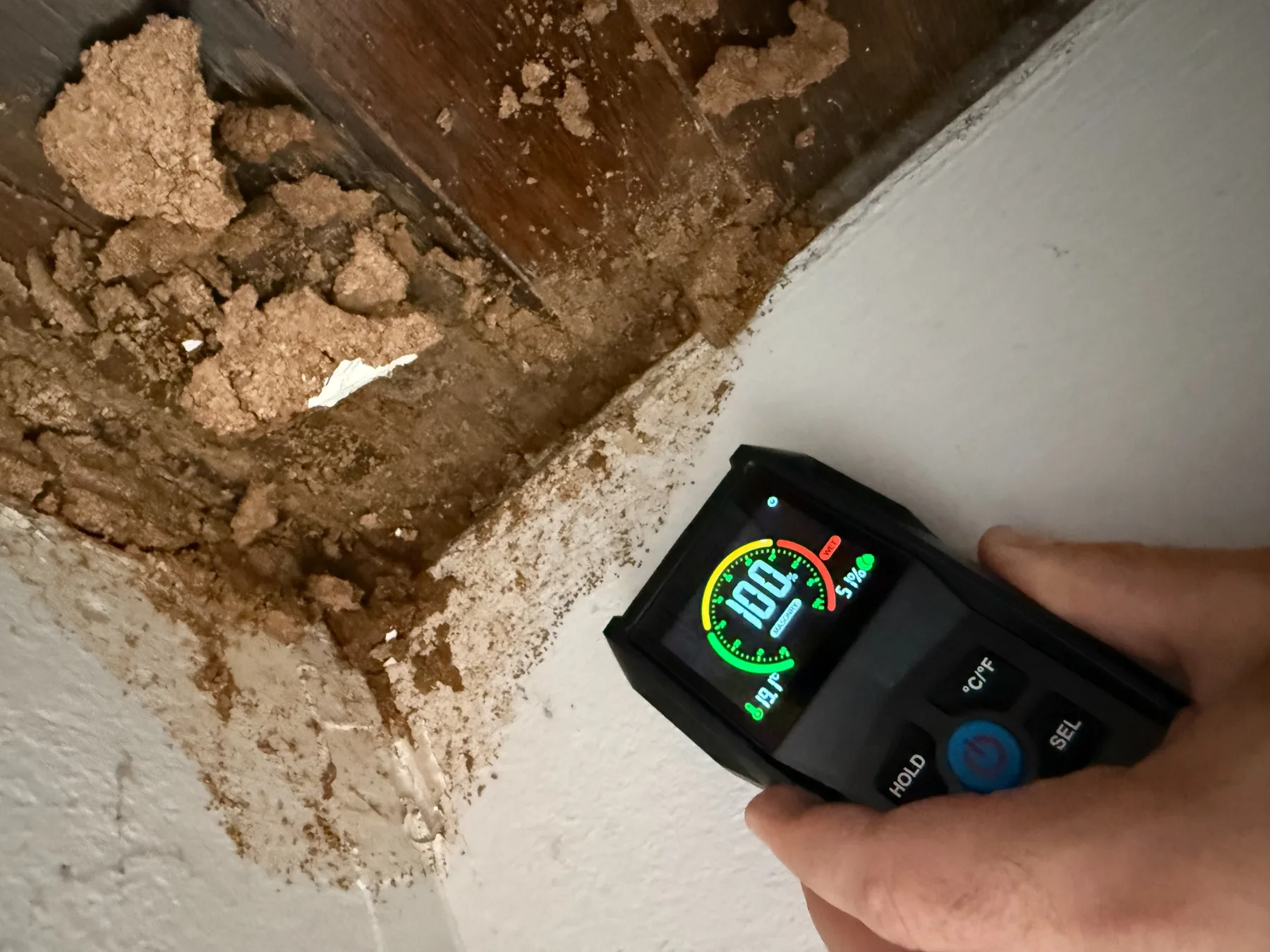
The correct response depends on the actual moisture source, construction and termite findings at the property.
A fan, dehumidifier or period of dry weather can reduce surface moisture without repairing a failed pipe, drainage problem or waterproofing defect. For termite risk management, the better objective is to identify why the area is persistently damp and correct that cause where reasonably possible. This also improves the reliability of future inspections because the technician is not repeatedly assessing the same unresolved condition.
Keep records of plumbing, drainage or ventilation work alongside termite reports. If moisture readings later return to normal, that history helps show what changed. If the area remains damp, it is a signal that further building investigation may be required rather than assuming the pest treatment has addressed the underlying moisture source.
No. Moisture does not create termites, but persistent damp conditions, leaks and poor drainage can contribute to conditions that are favourable to termite activity and can make parts of a building harder to inspect.
Investigate leaking plumbing, poor external drainage, damp subfloors, persistent water against foundations and other moisture sources. The cause should be repaired rather than relying on pest treatment alone.
Ventilation can help reduce persistent dampness and mould and improve the condition and inspectability of a subfloor. It should be considered together with drainage, leaks and access.
A moisture meter measures moisture conditions; it does not identify termites by itself. Elevated readings can help an inspector decide where closer investigation is appropriate.
Current termite activity should not be ignored while waiting for building repairs. The pest issue and the moisture source can be addressed in a coordinated sequence based on the inspection findings.
Arrange inspection of the termite question and have the moisture source investigated by the appropriate trade. We can document pest evidence, accessible risk conditions and areas that need closer attention.
Sources: NSW Field of Mars EEC termite fact sheet, City of Ryde termite guidance and Victorian Department of Health termite guidance.

1300 953 966 • info@goliathpestcontrol.com.au
Mortlake NSW 2137 • Sydney-wide service
Active termites • Chemical barriers • Inspections • Guides • Quote review • Contact
RELATED TERMITE RESOURCES
Educational signs are useful, but the service decision depends on current activity, access, damage and the individual property.
Find guides, treatments, standards, report help and Sydney service areas.
Compare treatment methods, learn what inspections involve and see genuine termite-management work completed by Goliath Pest Solutions.
Enter your postcode and we’ll check whether it falls within our standard service area from Mortlake.