A recommendation for a termite or timber-pest inspection is common when a building report identifies suspicious damage, moisture, inaccessible areas, possible termite evidence or simply recognises that pest activity is outside the scope of the general building inspection. The recommendation is a reason to investigate, not a diagnosis by itself.
NSW Government guidance on pre-purchase reports explains that a building inspection should identify visible damage caused by termites, but it does not determine whether termites and other timber-destroying pests are still present. The Government recommends obtaining a pest inspection as well, particularly where termites are a known problem.
That distinction matters. A building inspector may see damaged timber, moisture staining, restricted subfloor access, suspicious mudding or a construction condition that warrants specialist follow-up. The wording “obtain a termite inspection”, “further investigation recommended” or similar language should be treated as a request for more information, not as confirmation that live termites have been found.
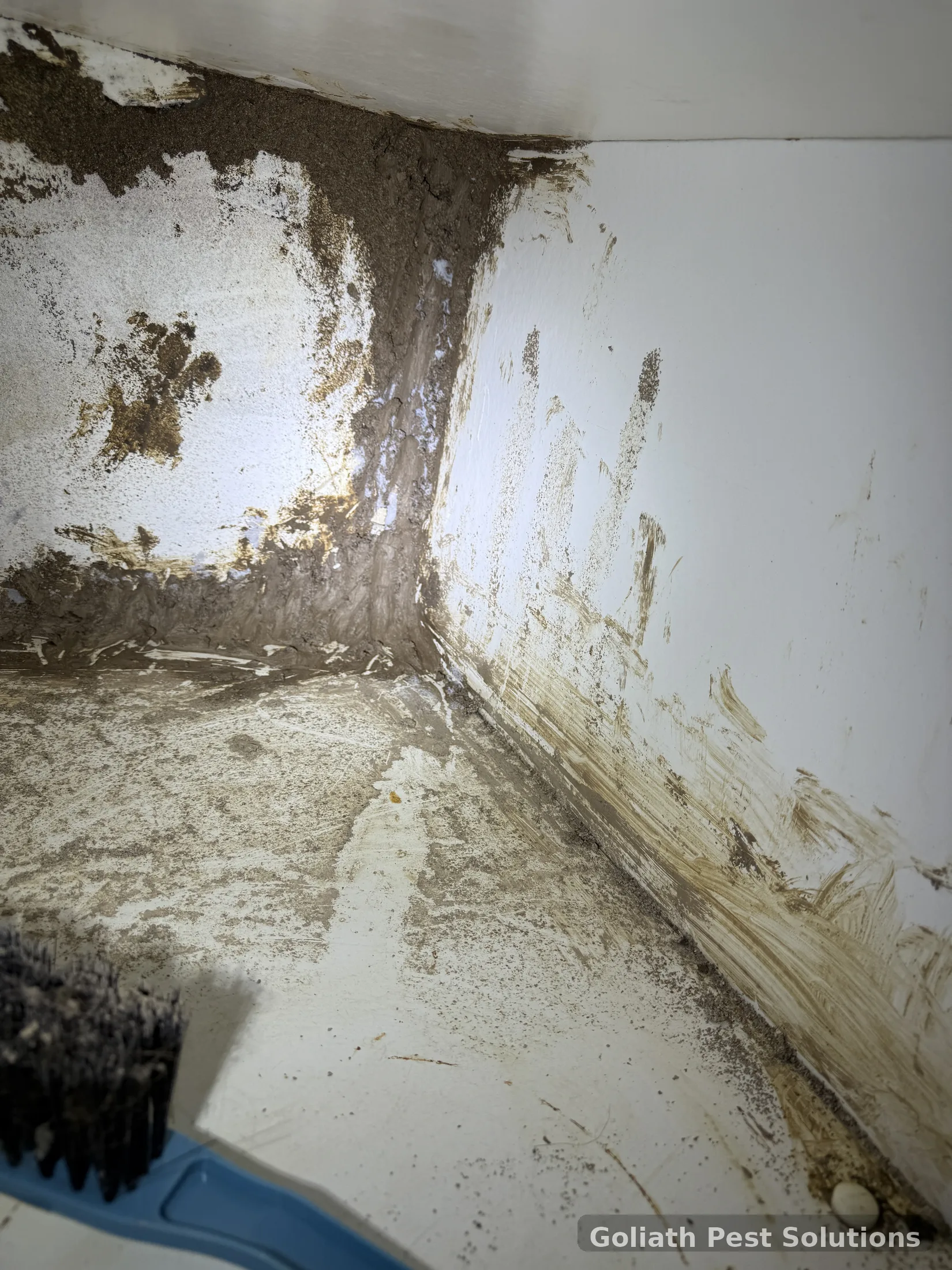
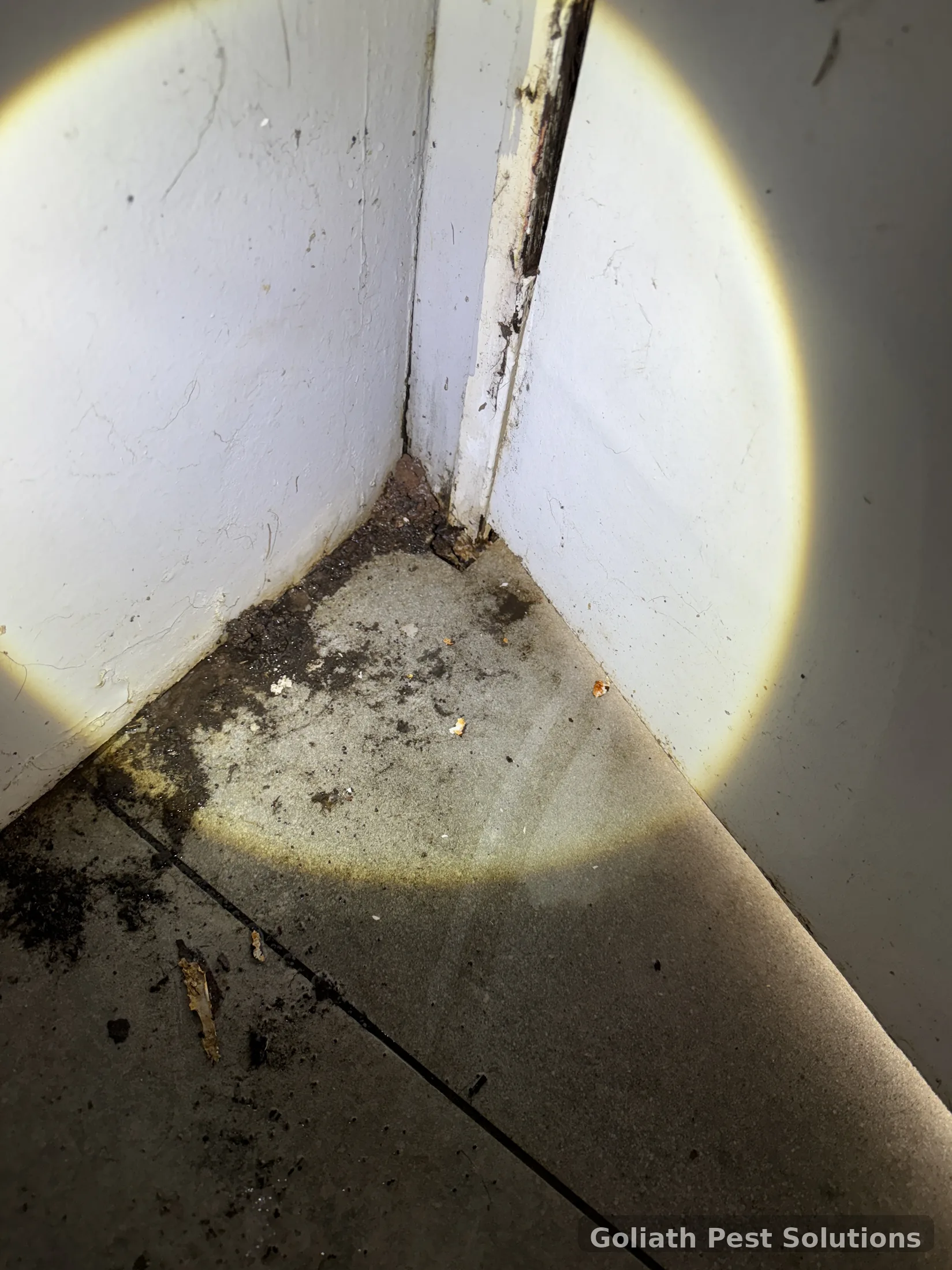
Damage may be consistent with historic termite activity, current activity or another cause. A termite inspection helps investigate the pest-related question.
Leaks, damp subfloors, drainage problems and timber-to-soil contact can increase concern and justify closer assessment.
A building report may note that roof voids, subfloors, stored areas or wall cavities could not be fully inspected. Limitations should be understood before purchase.
If no durable notice, treatment records or obvious system can be identified, the inspector may recommend specialist advice rather than guessing what protection exists.
Separate confirmed observations from recommendations, assumptions and access limitations. Highlight the rooms or areas that triggered the comment.
Ask for any previous pest reports, invoices, barrier certificates, durable notices, baiting records and warranty documents associated with the property.
Provide the report before the visit so the technician can pay particular attention to the areas already identified and the stated limitations.
If treatment is recommended, compare the actual treatment problem, areas, product, method, follow-up and warranty rather than accepting the first price in isolation.
Property purchases move quickly, which can create pressure to treat every warning in a report as either catastrophic or unimportant. Neither response is useful. The goal is to convert the report wording into a clearer evidence-based picture before you commit.
If the report has identified visible termite damage, use our pre-purchase termite damage guide. If you are still deciding whether to obtain a dedicated pest inspection, see whether to arrange a termite inspection before buying. If the report says no barrier or management system could be identified, see what to do when no termite barrier is evident.
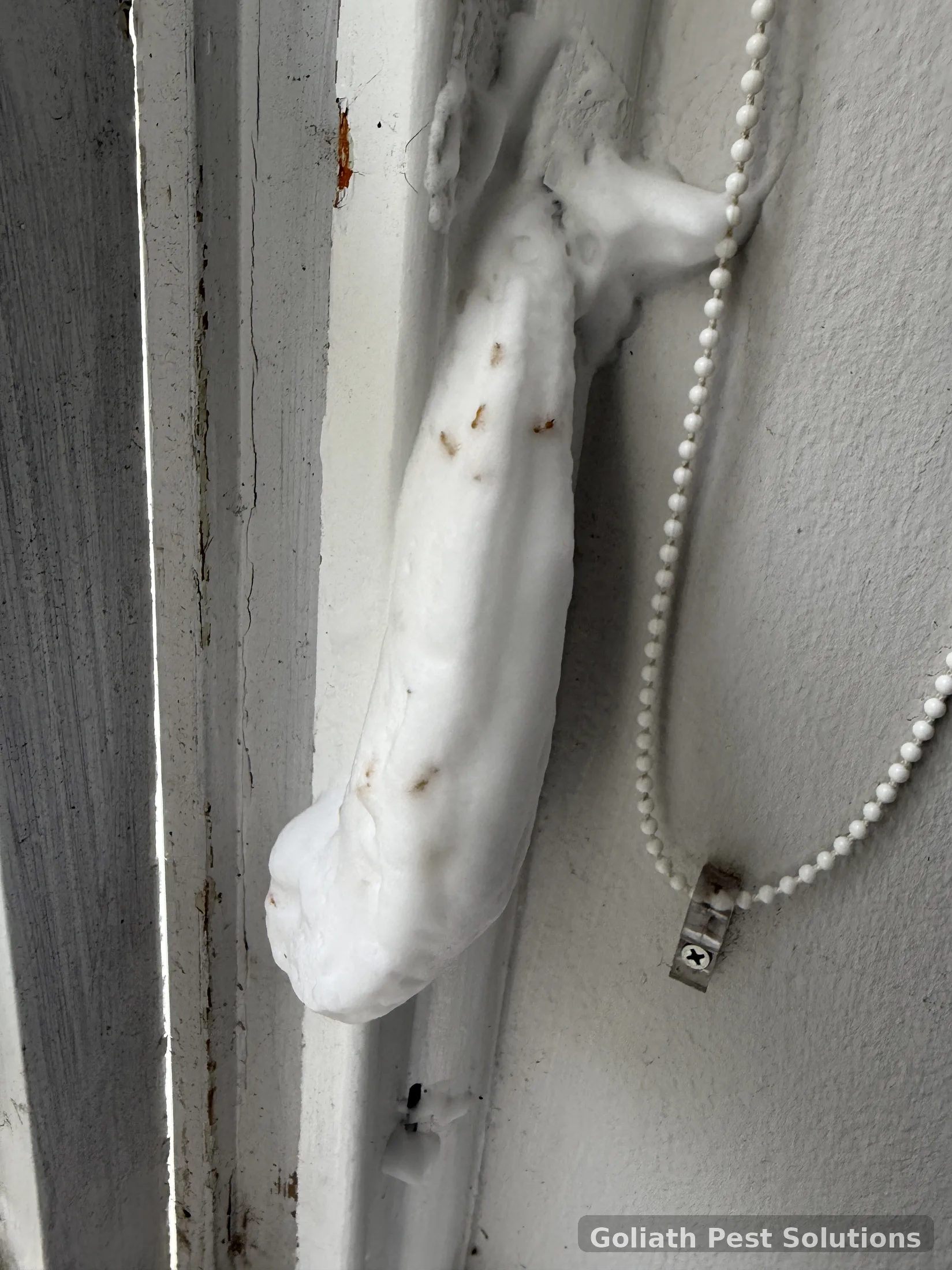
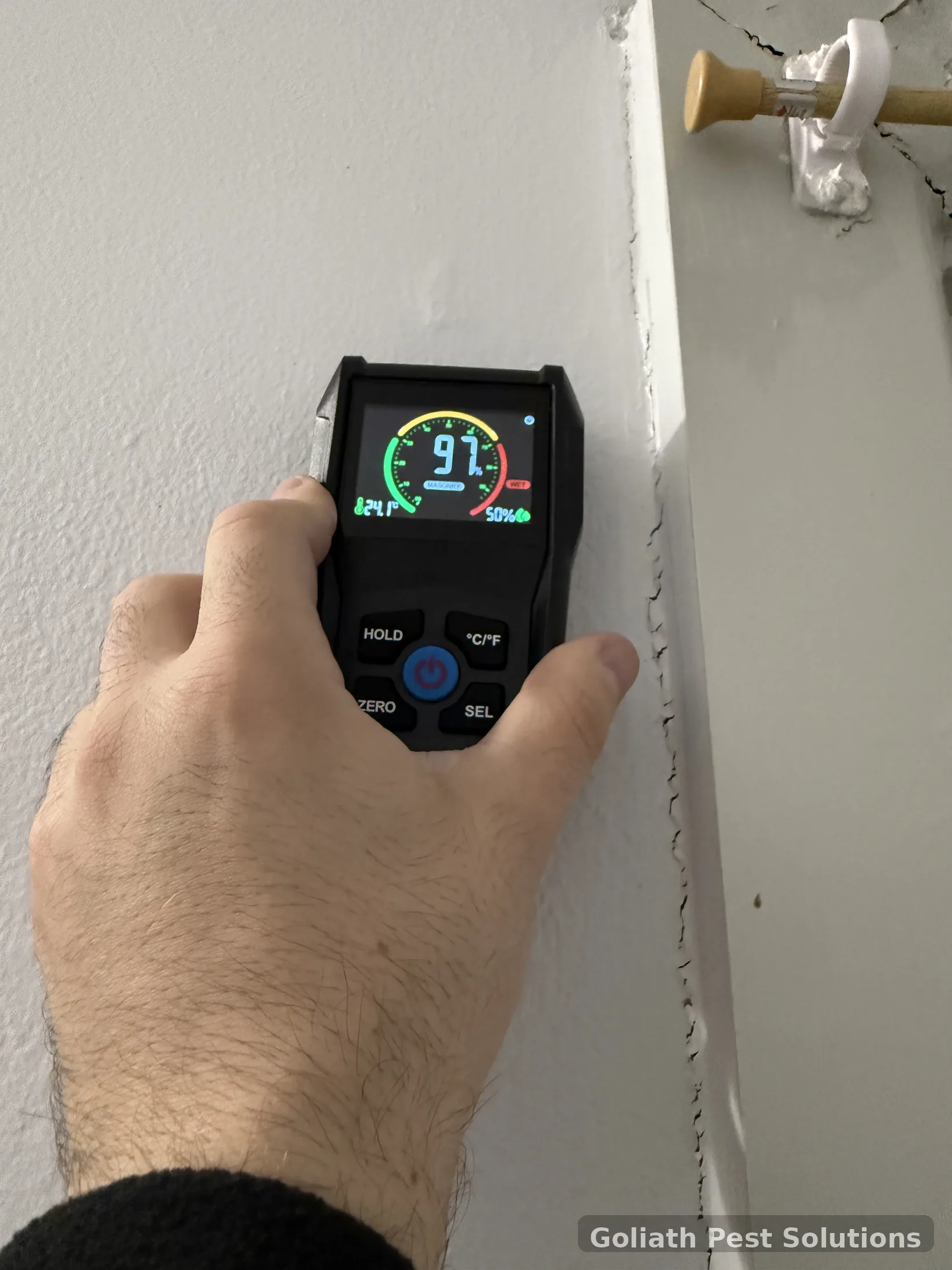
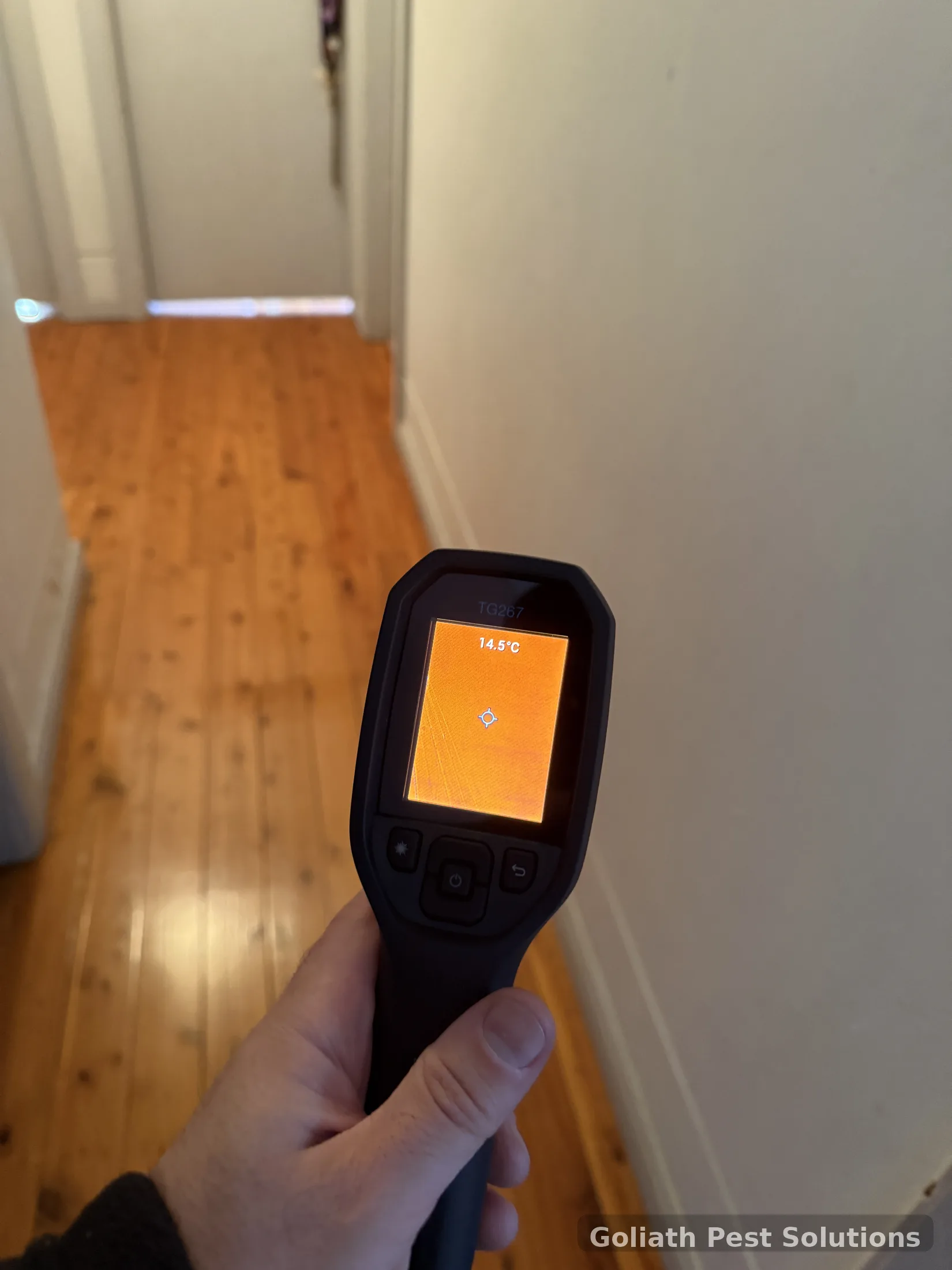
Inspection tools and visual observations are used together. No single device or photograph should be treated as a complete termite diagnosis.

A building report may raise a broad concern, while a later termite inspection should narrow that concern into specific findings. If treatment is then proposed, the written quote should explain which termite issue is being addressed and which areas are included. That sequence helps prevent a generic treatment being sold merely because the building report contained cautious wording.
For example, evidence of active termites may call for an immediate colony-treatment strategy, while long-term protection around an existing property may involve a separate chemical barrier or monitoring programme. Moisture or building defects identified during inspection may also need rectification but are not automatically part of the pest-control quote.
Ask the technician to explain the relationship between the report finding, the inspection evidence and the proposed treatment. If another company has already provided a written quote, Goliath can review whether the scope is substantially comparable through our quote review service.
A general building inspection and a timber-pest or termite inspection have different scopes. NSW Government guidance says a building report may identify visible termite damage but does not determine whether termites or other timber-destroying pests are still present.
No. A recommendation for further termite assessment is a prompt to investigate, not proof that current activity has been confirmed.
Provide the building report, photographs, property address, any vendor treatment records, durable notices, warranty documents and any areas the building inspector could not access.
The next step is to assess the activity and treatment options before unnecessary disturbance occurs. Active colony treatment and longer-term protection are separate decisions and may be quoted separately.
Yes. If you receive a written Active Termite Treatment or Chemical Termite Barrier quote, upload it for a like-for-like scope review before committing.
Send the report to Goliath and tell us whether you are buying the property, already own it, or are responding to a recent inspection finding. We can discuss the appropriate next step and arrange termite assessment where required.
Reference: NSW Government guidance on pre-purchase building and pest inspection reports. The guidance distinguishes visible termite damage noted in a building report from determining whether timber-destroying pests are still present.

1300 953 966 • info@goliathpestcontrol.com.au
Mortlake NSW 2137 • Sydney-wide service
Active termites • Chemical barriers • Inspections • Guides • Quote review • Contact
RELATED TERMITE RESOURCES
Building reports, old treatment records and visible damage often raise questions that need a termite-specific inspection or treatment scope.
Find guides, treatments, standards, report help and Sydney service areas.
Compare treatment methods, learn what inspections involve and see genuine termite-management work completed by Goliath Pest Solutions.
Enter your postcode and we’ll check whether it falls within our standard service area from Mortlake.