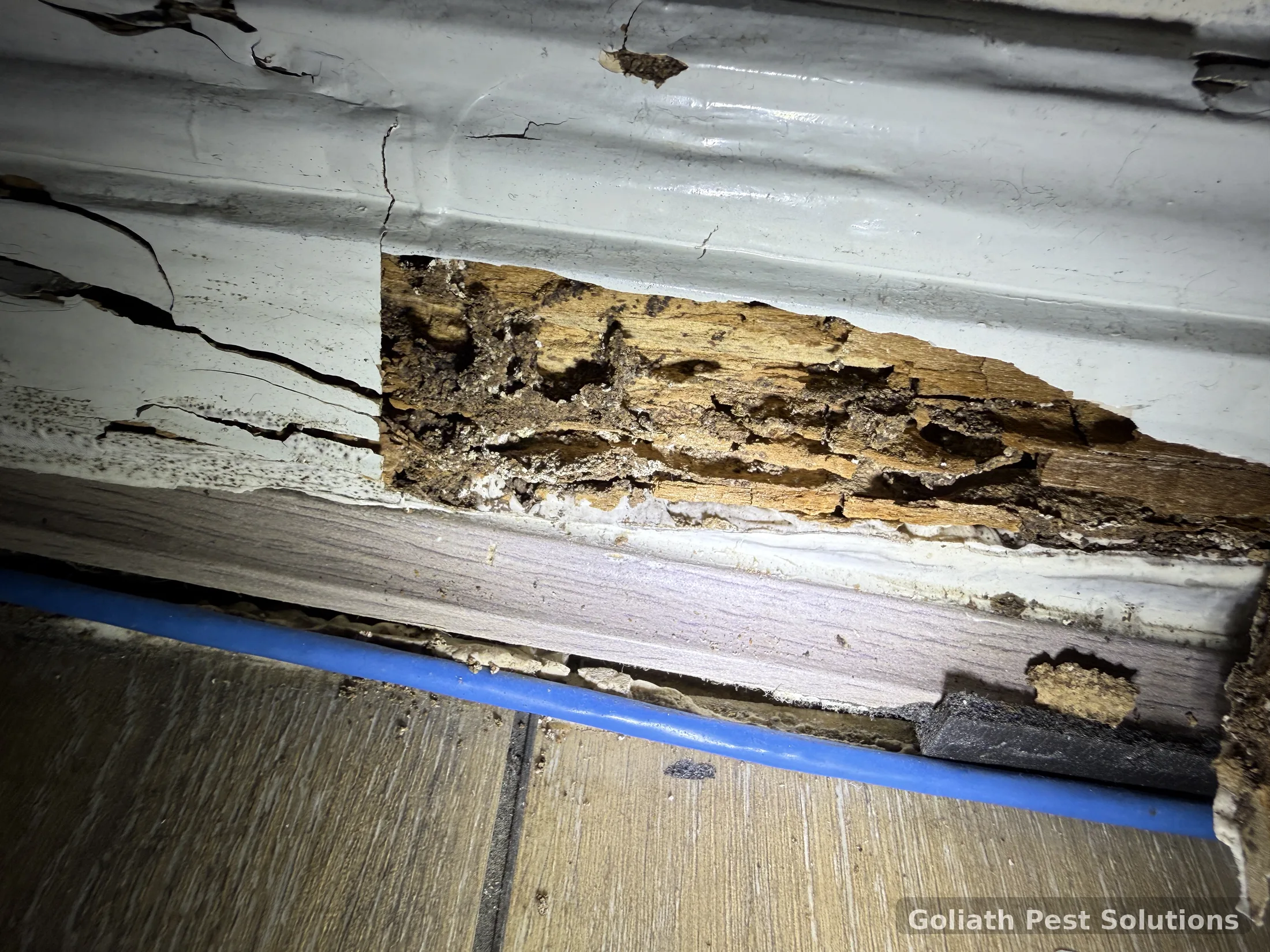
Visible termite damage in a building or pest report deserves proper follow-up, but the word “damage” does not by itself tell you whether termites are currently active, how extensive concealed damage may be, whether previous treatment was completed, or what the eventual repair scope will be.
A useful pre-purchase decision separates the termite issue into three parts. First, is there evidence of current termite activity? Second, what visible or suspected damage exists and does it require further structural assessment? Third, what termite-management system, inspection programme or treatment history applies to the property going forward?
Those questions may need different professionals and different reports. NSW Government guidance notes that a building inspection may identify visible termite damage but does not establish whether termites and other timber-destroying pests are still present. A separate pest inspection is therefore an important part of due diligence.
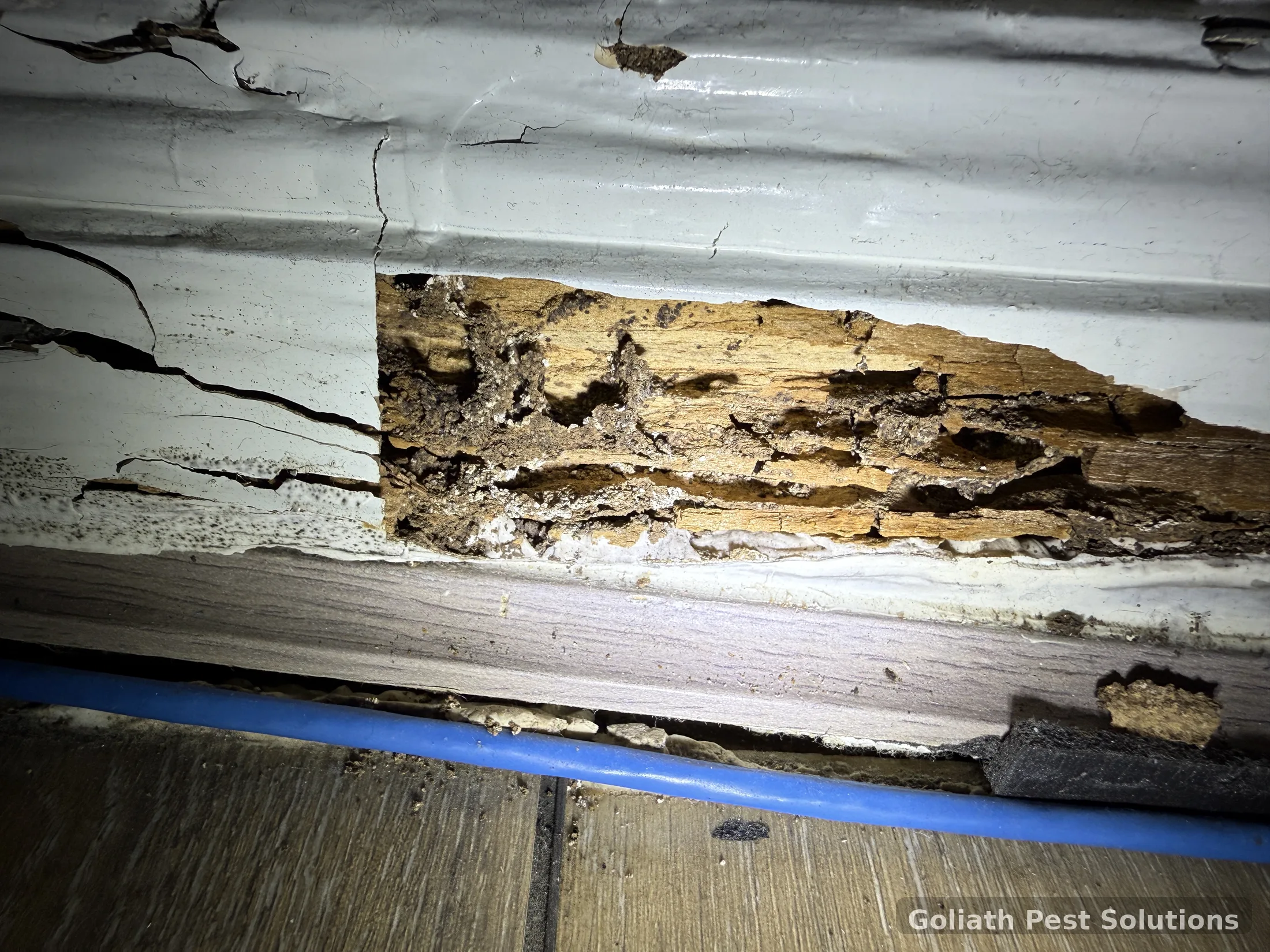
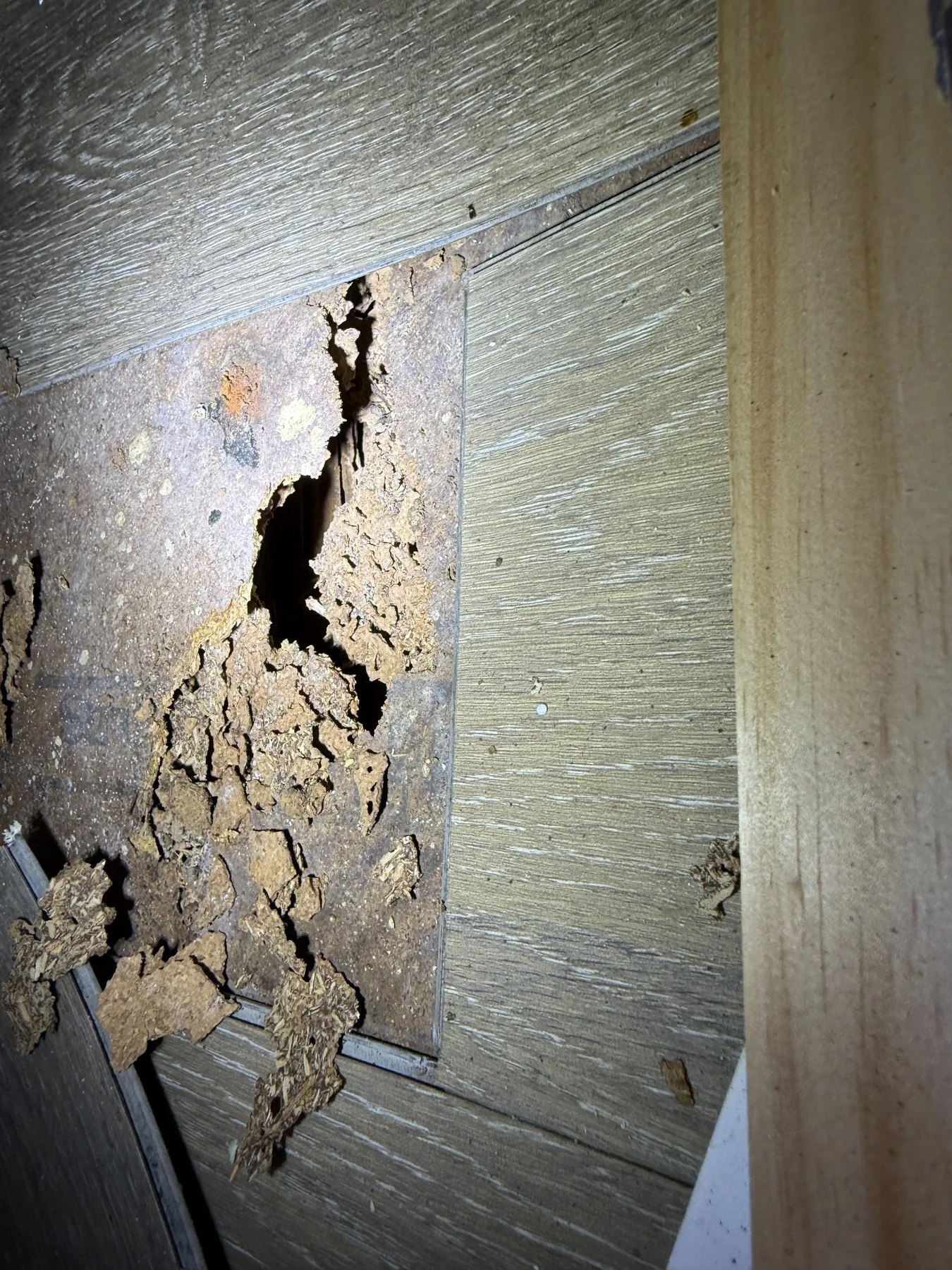
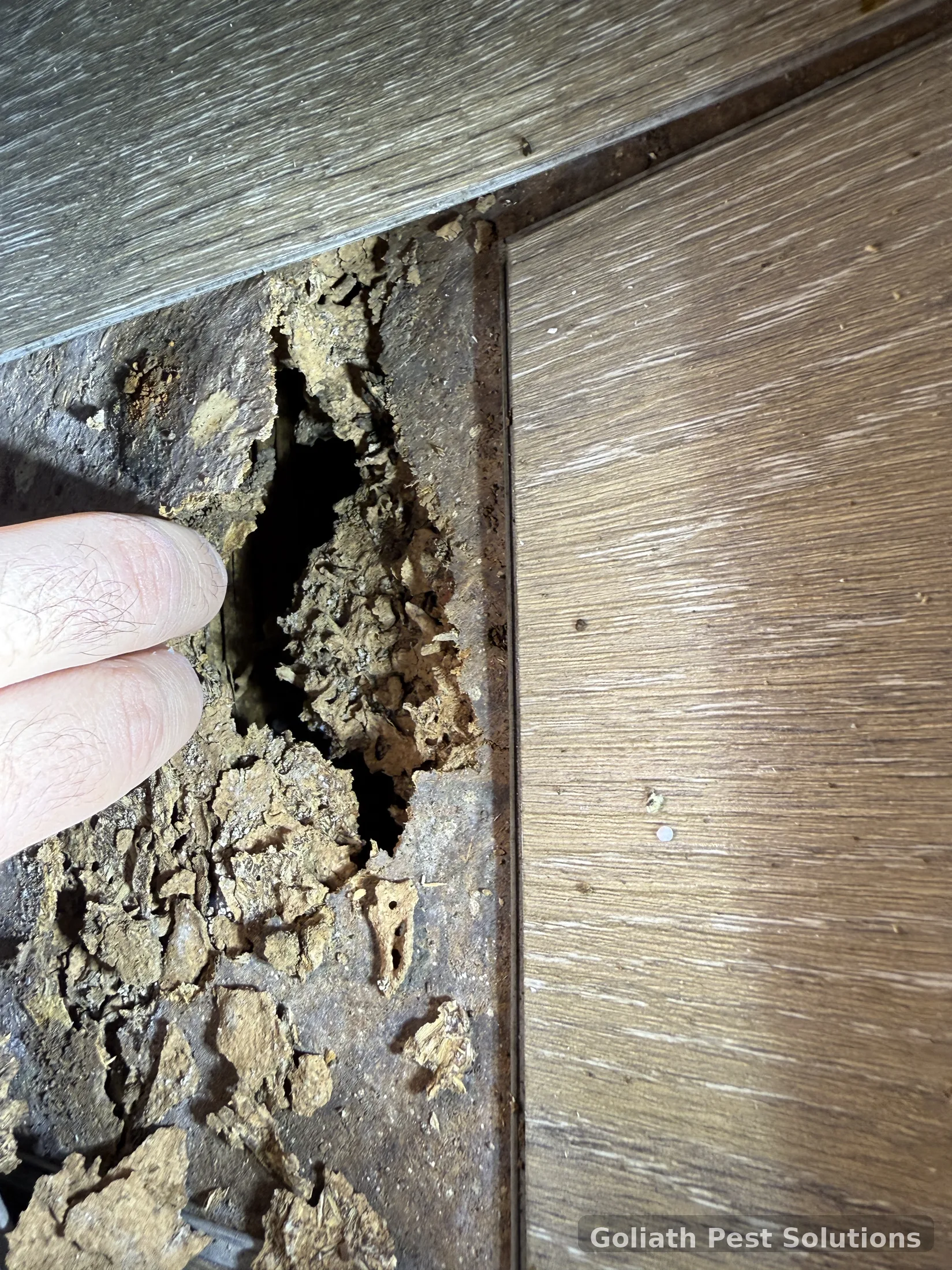
Note exactly where the inspector observed damaged timber, mud leads, shelter tubes or other signs and whether photographs are included.
Check whether live termites were actually observed or whether the report only says activity could not be ruled out.
Subfloors, roof voids, wall cavities, stored goods or fixed finishes may limit what can be seen. Concealed areas should not be assumed clear merely because they were inaccessible.
Look for references to a barrier, baiting system, durable notice, drill holes, previous treatment or annual inspection records.
| Question | Why it matters |
|---|---|
| Were live termites found? | Current activity can require active treatment and may affect the timing of other decisions. |
| Which areas were inaccessible? | A clear report limitation helps you understand what remains unknown rather than treating the inspection as complete in concealed areas. |
| Is repair advice required? | Pest assessment identifies pest evidence. Structural repair, replacement or engineering questions may need another appropriately qualified professional. |
| Is there a documented termite-management system? | Existing treatment history, warranties and inspection obligations can affect the future management plan. |
| Has the property been inspected regularly? | Inspection history can provide useful context, although previous clear reports do not guarantee future absence of termites. |
| Do I have a written treatment quote? | If treatment is recommended, compare the scope, product, treatment areas, follow-up, warranty and total obligations, not price alone. |
If the vendor provides an old treatment certificate or invoice, check the date, product or system, treatment areas, warranty terms and whether ongoing inspections were required. A previous barrier does not automatically prove that every relevant area remains protected today, and a past active treatment does not necessarily describe the property’s current risk-management system.
Use our existing termite barrier history guide if the paperwork is incomplete. If the report cannot identify any termite-management system, see what to do when no termite barrier is evident.
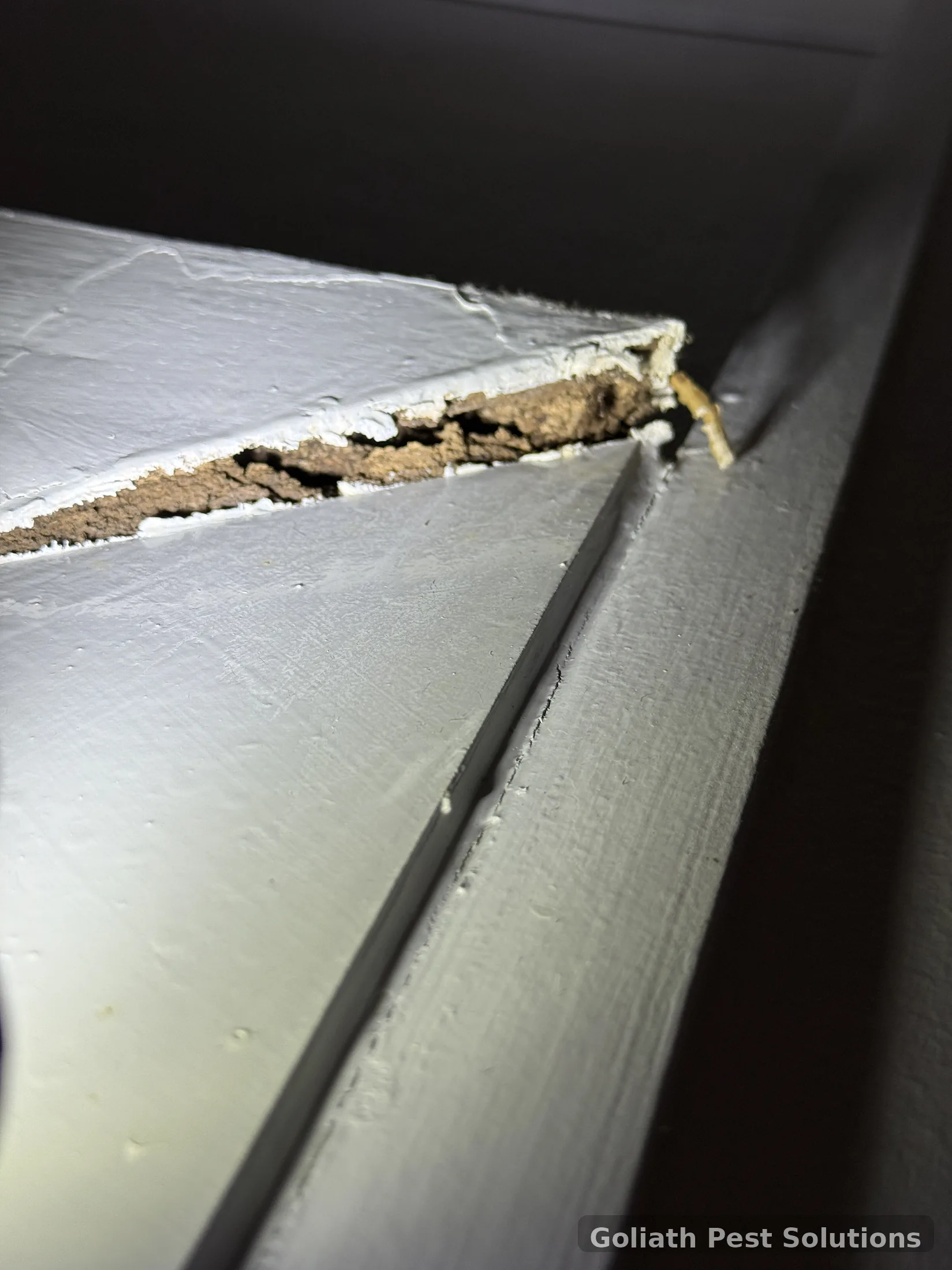
A photograph can show visible damage, but it cannot establish the full concealed extent or structural significance of damage throughout a building.

If live termites are confirmed, pest-control work is aimed at the termite problem. Damaged timber, wall linings, flooring or structural components may still require separate building assessment and repair after the termite situation is understood. The pest report should not be treated as a structural engineering opinion unless the person preparing it is separately qualified to provide that advice.
For a buyer, this distinction is useful when reviewing costs. One figure may relate to active termite treatment, another to long-term termite management, and a separate estimate may be needed for repair or replacement of damaged building components. Combining those figures without understanding the scope can make a property appear either cheaper or more expensive to rectify than the available evidence supports.
Where treatment quotations are available, compare them separately from repair estimates. Goliath can review eligible written termite-treatment proposals, while structural repair questions should be directed to the appropriate building professional.
Not necessarily. Visible damage can be historic, current or incompletely assessed. A dedicated termite or timber-pest inspection is used to investigate whether current activity is present and what areas can be assessed.
Usually not reliably. Pest-related findings and structural repair scope are different questions. Repair cost may require further assessment by an appropriate builder, engineer or other relevant professional depending on the damage.
Yes. Request previous pest reports, treatment invoices, barrier or baiting records, durable notices, warranty information and annual inspection history if available.
Avoid unnecessary disturbance and obtain professional advice on active treatment. You can then consider longer-term termite management separately from immediate activity treatment.
Yes, provided you have a written treatment proposal and enough property information to compare the scope. Eligibility for the price-beat offer depends on substantially like-for-like treatment.
Send Goliath the report and the property details. We can help identify what termite information is still missing, arrange an inspection where appropriate and review any written termite treatment quote you receive.
Reference: NSW Government pre-purchase inspection report guidance.

1300 953 966 • info@goliathpestcontrol.com.au
Mortlake NSW 2137 • Sydney-wide service
Active termites • Chemical barriers • Inspections • Guides • Quote review • Contact
RELATED TERMITE RESOURCES
Building reports, old treatment records and visible damage often raise questions that need a termite-specific inspection or treatment scope.
Find guides, treatments, standards, report help and Sydney service areas.
Compare treatment methods, learn what inspections involve and see genuine termite-management work completed by Goliath Pest Solutions.
Enter your postcode and we’ll check whether it falls within our standard service area from Mortlake.