SYDNEY TERMITE SPECIALISTS   •   TERMIDOR ACCREDITED   •   1300 953 966
EXTENSIONS • RENOVATIONS • ADDITIONS

Termite Management for Extensions & Renovations Sydney

An extension is not simply a new build in miniature. It joins new construction to an existing property that may have an old, unknown, altered or inaccessible termite-management system. That junction deserves its own planning.
New + existing building interfaceBuilder & owner coordinationInspection-led planning
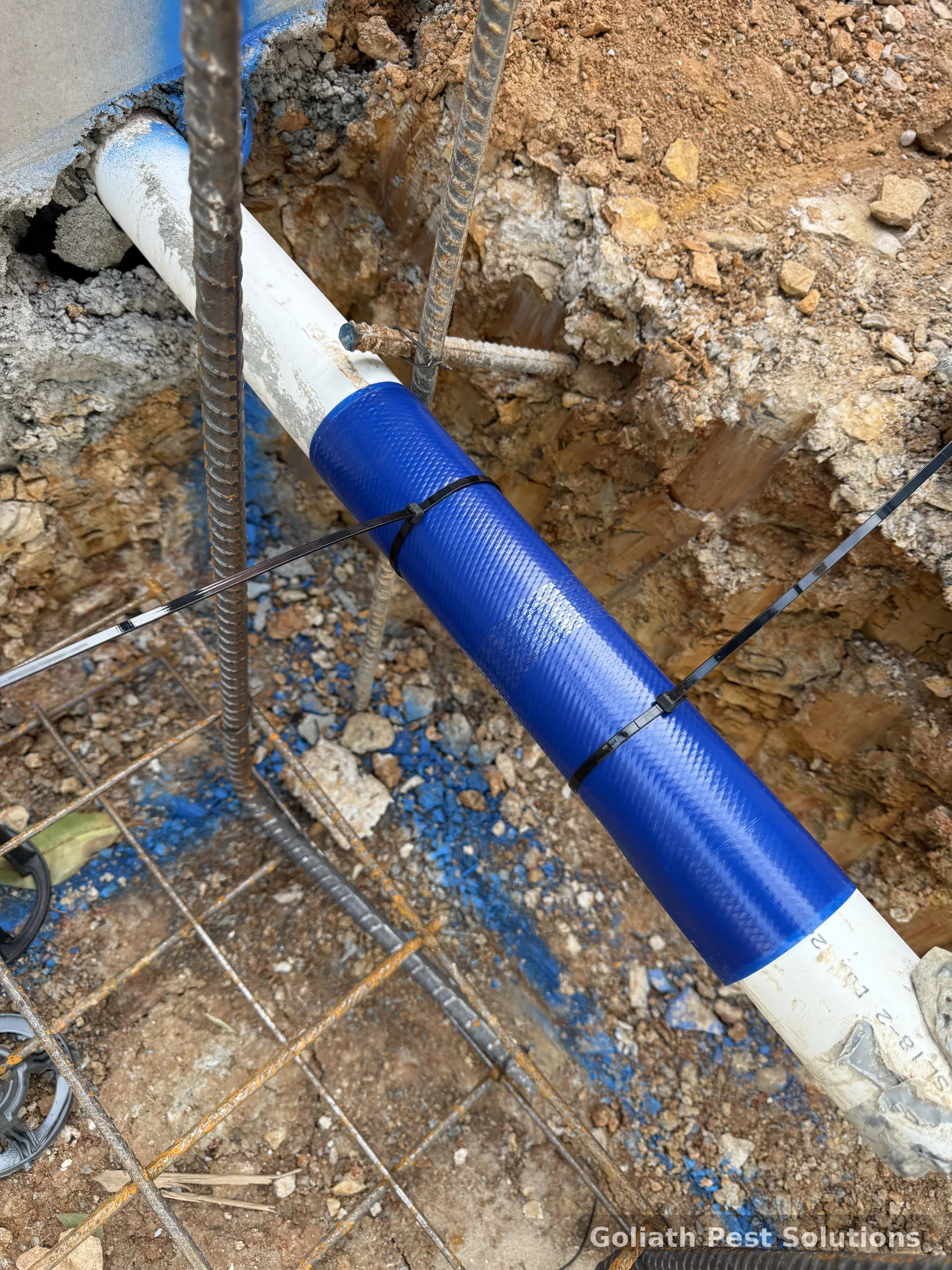
Construction service penetration detail during a Sydney extension or renovation project
THE OLD-TO-NEW JUNCTION

Extensions can involve two termite-management contexts at once

New building work is addressed by AS 3660.1, while termite management in and around existing buildings is addressed by AS 3660.2. An extension, alteration or renovation can involve both contexts because part of the project is newly constructed while the original building remains in place.

The practical question is therefore not simply “what barrier goes around the extension?” A proper review also asks what termite-management system, if any, protects the existing structure, whether that system has been altered, whether active termites or damage are present, and how future inspections will access the junction between old and new work.

If a building report or previous inspection says there is no identifiable termite barrier, that information should be considered before the extension is closed in. Likewise, suspicious activity should be assessed before it is concealed by new linings or finishes.
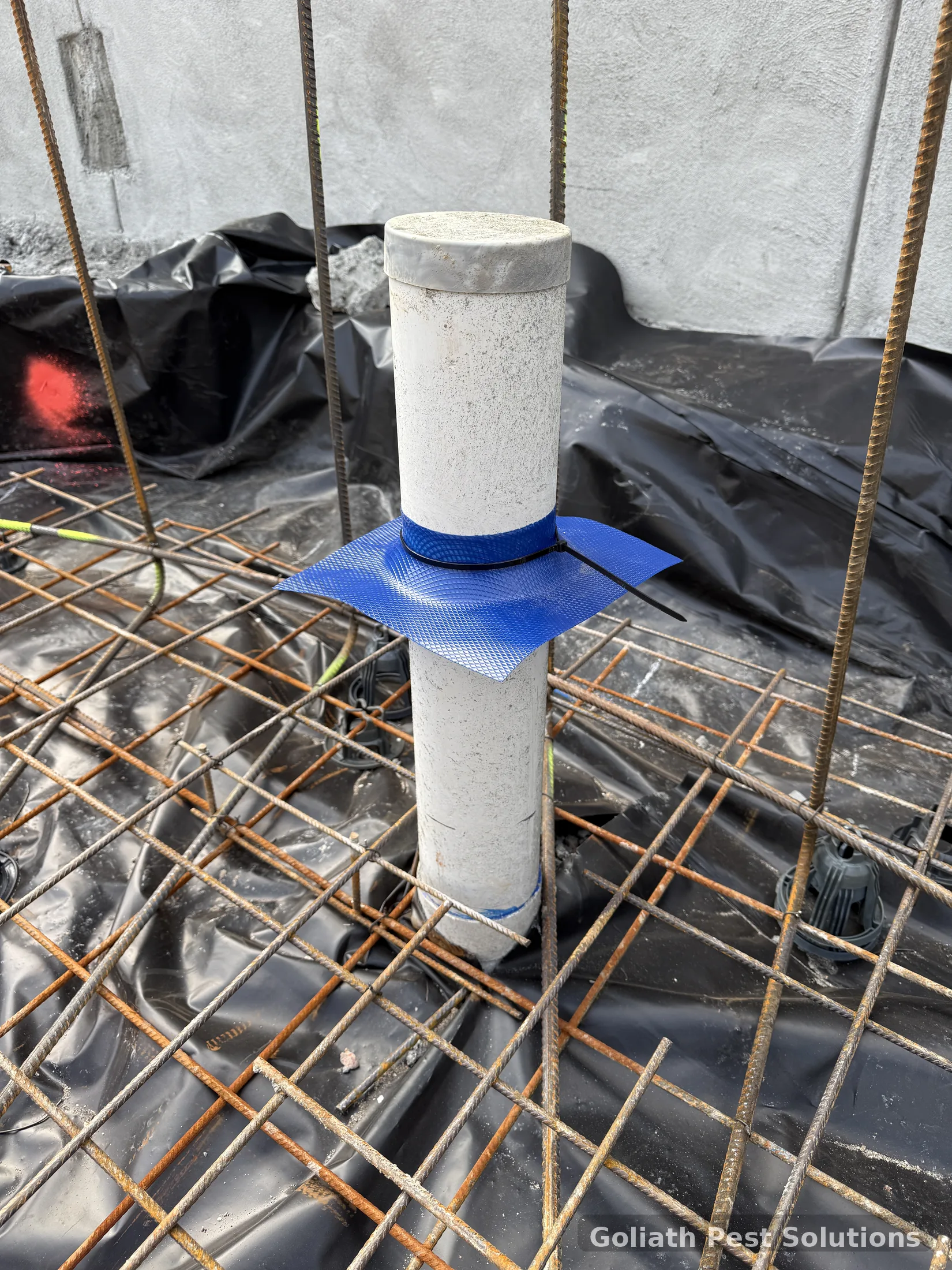
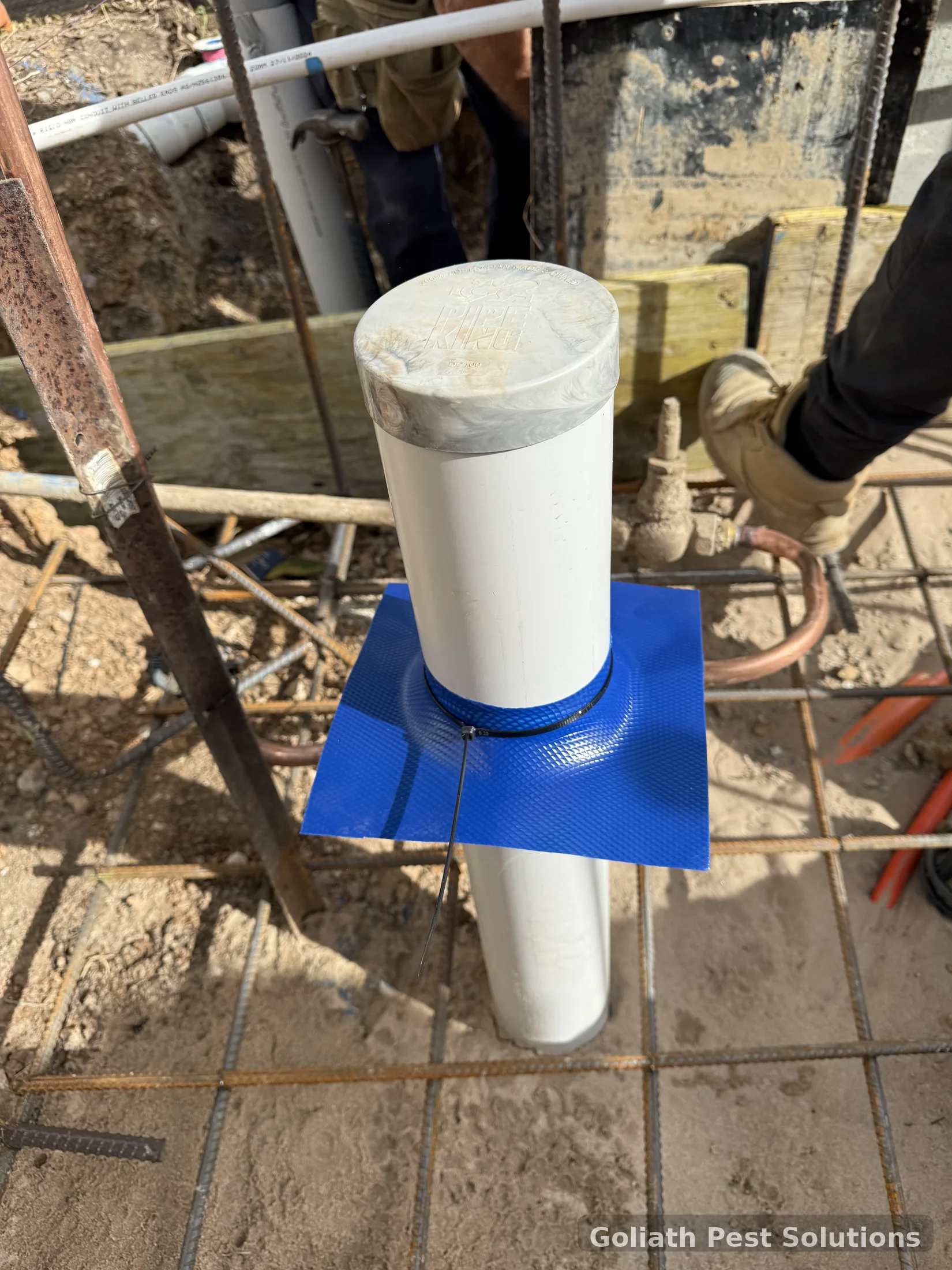
New construction penetration requiring termite management planningService penetration detail during construction workMoisture assessment during termite inspection at an existing property
BEFORE DEMOLITION OR COVER-UP

Use the renovation to learn more about the existing building

Renovation work often exposes areas that are normally hidden. Wall cavities, floor edges, old timber, subfloor zones and previous repairs may become visible for a short period. That can be a useful opportunity to identify termite damage, moisture or old treatment details before those areas are covered again.

Unknown old system

Do not assume that a property has an effective barrier simply because it is not visibly damaged. Existing termite-management systems may be undocumented, altered or beyond their intended service conditions.

Conducive conditions

Leaks, damp subfloors, timber-to-soil contact and restricted inspection zones can affect termite risk. Renovation is a good time to address these building conditions where practical.

Active or historical damage

If suspect damage is found, arrange a termite inspection before unnecessarily disturbing or covering the area. Active termite treatment and long-term protection are different decisions.

PROJECT PLANNING

Four questions to answer before the termite stage

What is actually new?

Identify the new slab, footings, penetrations, walls or other building work that form the extension scope.

What protects the existing house?

Review available treatment records, durable notices, inspection reports and visible construction details instead of guessing.

Where do old and new meet?

Junctions, changes in level, paving and service routes can affect both installation and future inspection access.

What happens after handover?

Plan for regular inspections and retain documentation so future owners or technicians can understand the completed work.

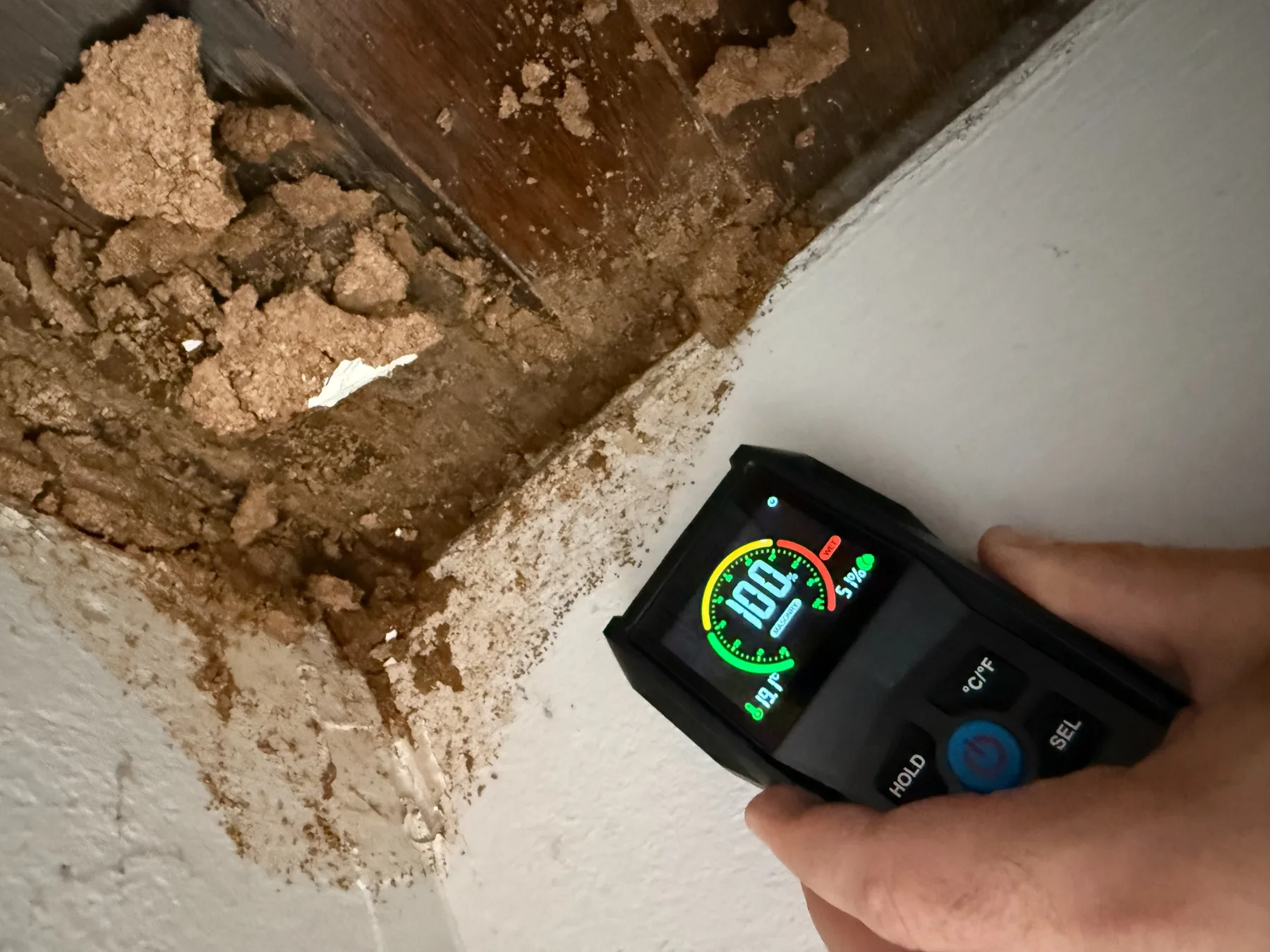
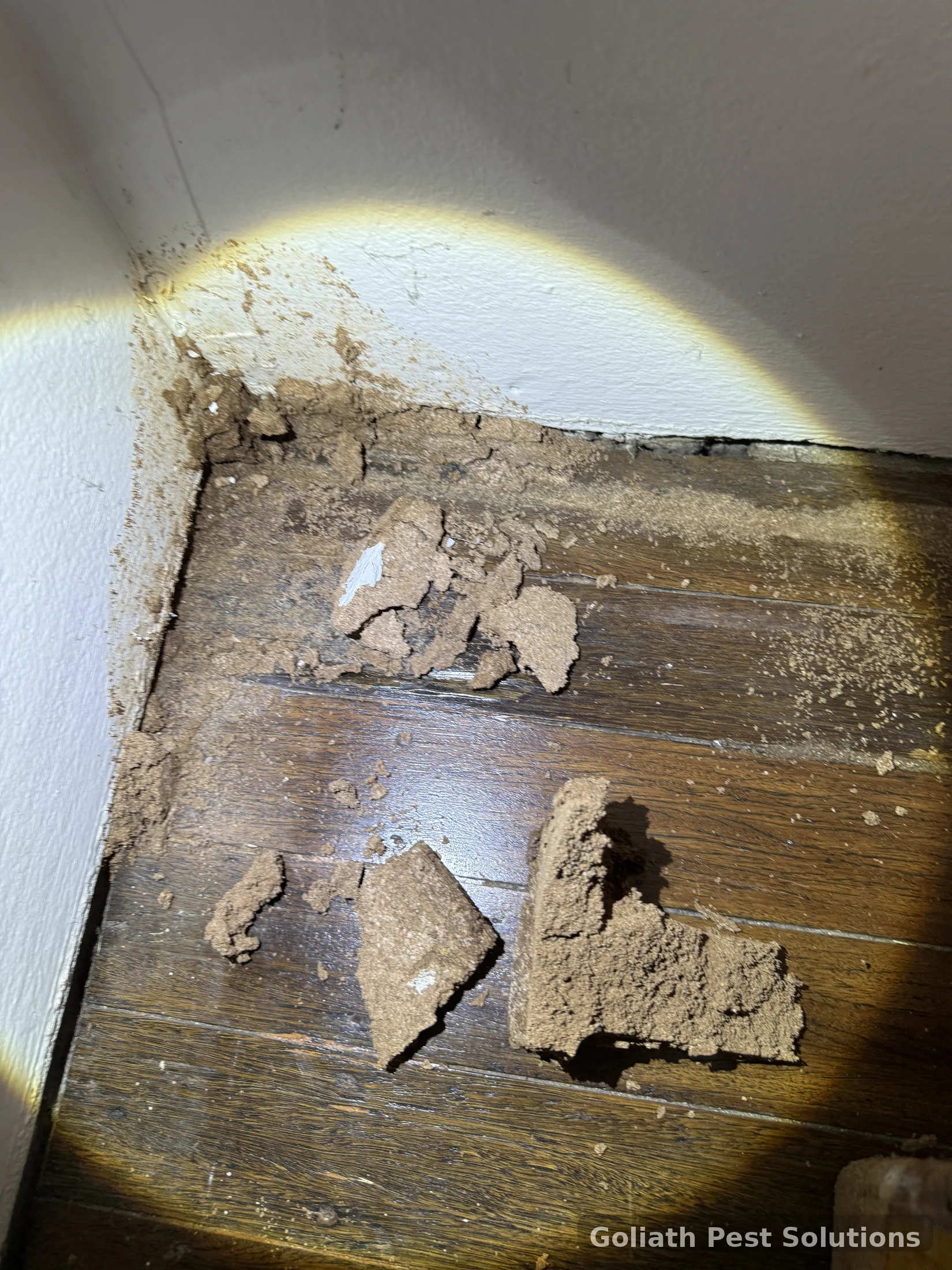
Termite damage exposed inside an existing Sydney property
IF YOU FIND DAMAGE DURING RENOVATION

Do not let the building programme turn a termite finding into a rushed decision

When damaged timber or termite mudding appears during demolition, it is tempting to remove everything immediately so the trade programme can continue. That can destroy evidence that helps determine whether termites are still active and where they are travelling.

If live termites or suspicious workings are found, avoid spraying household insecticide into the area and avoid unnecessary disturbance. Photograph what is visible and arrange professional assessment. Our active termites guide explains the immediate steps.

If treatment is required, the active infestation and the longer-term property protection strategy should be separated conceptually. An active colony treatment deals with current activity. A chemical termite barrier, baiting system or another management strategy addresses ongoing risk depending on the property.

RENOVATION SCOPE

Not every renovation needs the same termite treatment

A cosmetic internal renovation is different from an extension with a new slab and new external perimeter. A kitchen replacement is different from a rear addition that changes drainage, landscaping and access. The termite-management response should be proportionate to the actual building work and the condition of the existing property.

Project situationTermite-management question
New extension slabWhat system is specified for the new building work and when must it be installed?
New services through slab or perimeterHow are penetrations incorporated into the termite-management design?
Existing house has no recordsShould the existing structure be inspected before finalising the new protection strategy?
Landscaping or paving changesWill the completed works obstruct inspection zones or alter how a post-construction treatment could be installed?
Termite damage exposedIs the activity current, what treatment is needed, and can repairs wait until assessment is complete?
COMMON QUESTIONS

Extension and renovation termite FAQs

Does an extension fall under AS 3660.1 or AS 3660.2?

The new building work is relevant to AS 3660.1, while the existing building is managed in the context of AS 3660.2. An extension can therefore require both perspectives rather than treating the whole property as only new or only existing.

Should I get a termite inspection before renovating?

It can be valuable where the property has no clear termite-management records, there are suspicious signs, the renovation will conceal previously accessible areas, or the building is already considered at termite risk.

What if the old part of the house has no termite barrier?

Do not assume the new extension automatically protects the existing house. Review the existing structure separately, including inspection findings, access, previous treatment records and any practical post-construction management options.

Can termite treatment happen while renovation work is underway?

Yes, depending on the issue and stage. Construction-stage termite work can be coordinated with the builder, while active termite findings may need assessment before repair or covering. The sequence should be deliberate rather than improvised.

Will a new termite system remove the need for future inspections?

No. Regular termite inspections remain an important part of ongoing management after an extension or renovation, including where a new termite risk-management system has been installed.

RENOVATING OR EXTENDING?

Coordinate the new termite scope with the existing building

Extensions can create a mix of new-building and existing-building termite issues. Send Goliath the project details early so the new work, existing structure and future inspection access can be reviewed together.

Reference context: AS 3660.1:2014, AS 3660.2:2017 and NSW Government termite guidance. Project-specific requirements should be confirmed against the current project documents, applicable NCC provisions and relevant Australian Standards.

Goliath Pest Solutions

Termite Quote Beat by Goliath Pest Solutions

1300 953 966   •   info@goliathpestcontrol.com.au
Mortlake NSW 2137   •   Sydney-wide service

RELATED TERMITE RESOURCES

Connect the construction detail to the treatment scope

Barrier work should be compared on the actual treated areas, access, product, installation method, warranty and ongoing inspection requirements.

Find termite answers and real projectsSydney termite specialists
Case StudiesActive TermitesTermite BarriersInspectionsTermidor HE
SYDNEY TERMITE SERVICE AREAS Looking for termite treatment in your suburb?
VIEW ALL SERVICE AREAS →
SUBURB NOT LISTED? NO PROBLEM. We service properties across the wider Sydney area.

Enter your postcode and we’ll check whether it falls within our standard service area from Mortlake.

Coverage is an approximate service-area check based on postcode location, not driving distance. Quote review is still available for edge-of-area and larger termite projects.