When a building already exists, termite protection has to work around finished concrete, paving, soil levels, subfloors, services and existing access. A post-construction barrier is therefore a property-specific treatment, not a generic ring of chemical applied the same way everywhere.
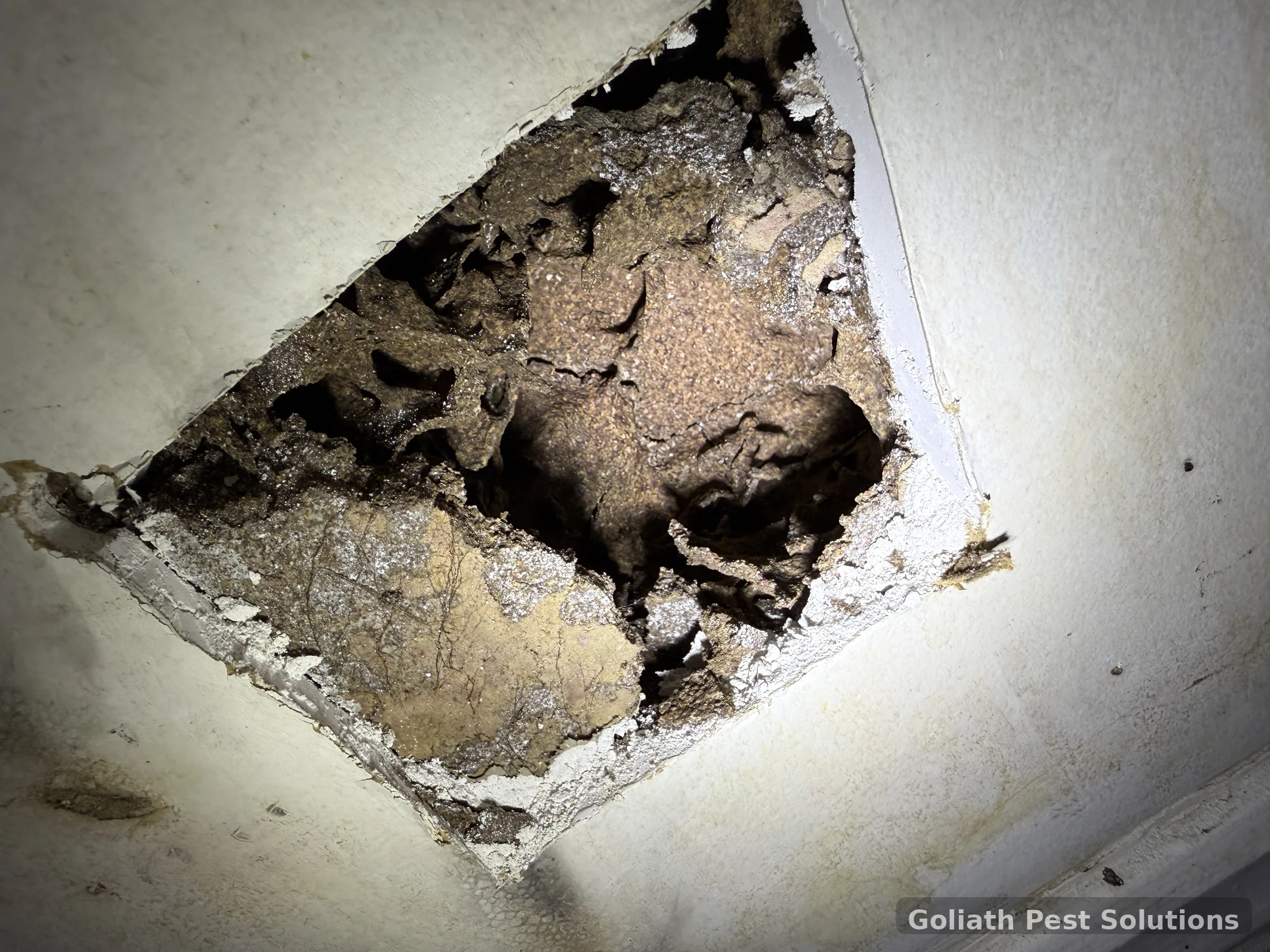
AS 3660.2:2017 provides guidance for termite management in and around existing buildings and structures. That existing-building context matters because the treatment method has to work around construction that is already complete.
Before a post-construction barrier is proposed, the property should be understood: slab or suspended floor, paved and soil perimeters, subfloor access, service penetrations, previous termite management, active or historical termite evidence, moisture conditions and areas that cannot be readily inspected.
If a recent building or pest report says a termite barrier was not identified, that does not automatically prove that no system has ever existed. It means the evidence available to the inspector was insufficient to identify one. Our no termite barrier report guide explains the next steps.
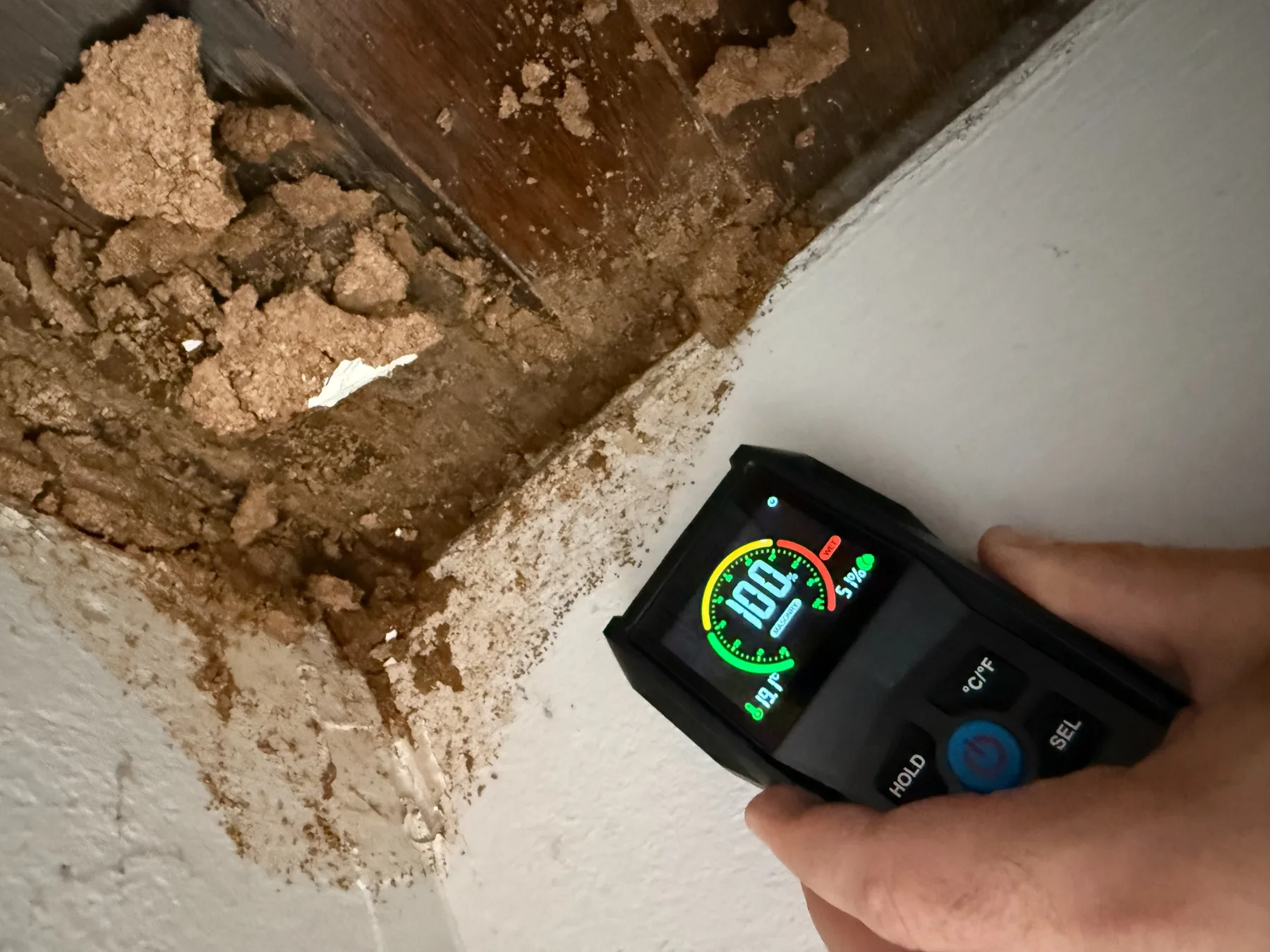
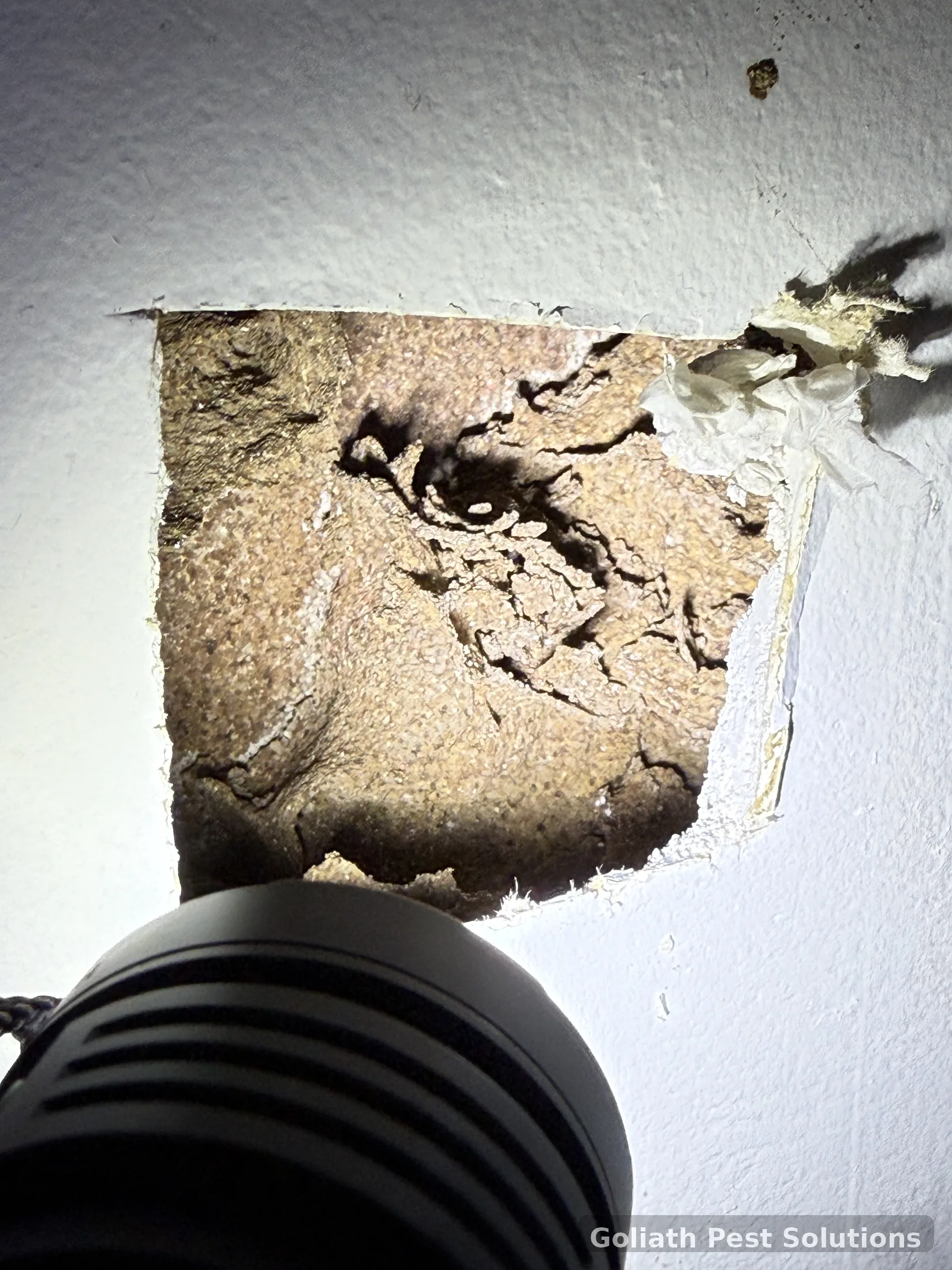
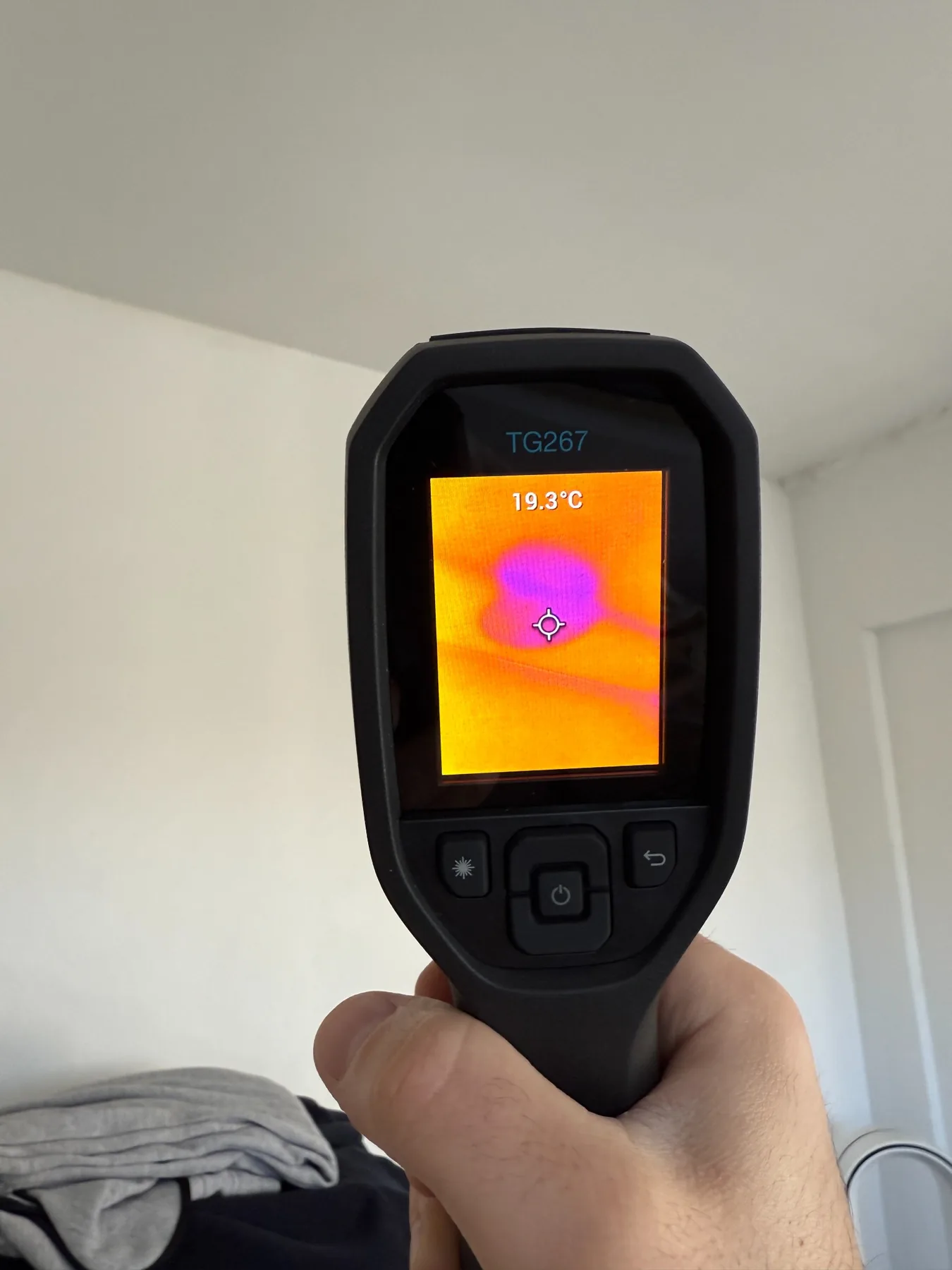
A chemical termite barrier proposal may use different installation methods around different parts of the same home. Finished surfaces and access determine how a continuous treatment strategy can be achieved in the areas included in the scope.
Where appropriate, finished concrete may require drilling and injection so the relevant soil zone can be treated. Hole spacing, access and reinstatement are part of the practical scope.
Accessible soil beside foundations may allow trenching and treatment before the soil is returned. Existing landscaping and levels can affect preparation.
Rodding or other techniques may be considered where direct trench access is limited, subject to the property and the proposed treatment design.
Raised-floor homes may require a different approach around piers, foundation walls, service entry points and other accessible subfloor elements.
See our detailed chemical termite barrier page for a broader explanation of treatment methods and quote comparison.
If live termites are present, the first priority is understanding the active infestation and choosing an appropriate response. Installing a long-term chemical barrier without addressing current activity may leave the owner unclear about what each part of the treatment is intended to achieve.
Confirm where termites are active and avoid unnecessary disturbance. Targeted active treatment may be needed before or as part of the broader management plan.
A barrier or another termite-management strategy is designed around future subterranean termite entry risk and the accessible treatment zones around the property.
Regular termite inspections remain important because no treatment should be marketed as eliminating all future termite risk or the need for inspection.
If you have found live termites, read what to do before disturbing the area.

Post-construction barrier pricing is affected by property size, treatment length, concrete drilling, trenching, access, subfloor work, landscaping, product, preparation and warranty requirements. A quote that is cheaper because it omits a substantial treatment area is not automatically a better like-for-like price.
When Goliath reviews a written barrier quote, we look at the treatment areas, proposed product, installation method, warranty, inspection obligations, GST and other material inclusions before confirming whether the scopes are genuinely comparable.
For eligible like-for-like written Chemical Termite Barrier quotations, the Termite Quote Beat offer may apply after the scope and property requirements are reviewed. Upload the written quote here.

Owners should keep treatment records and understand the conditions attached to the system they purchase. Depending on the product and warranty, annual inspection requirements or other maintenance obligations may apply. Even where a warranty does not make an inspection mandatory, regular professional inspection remains an important part of detecting termite activity and conditions that increase risk.
Retain the proposal, treatment documentation, product details and any durable notice information. Future owners and inspectors benefit from knowing what was installed and when.
Avoid landscaping, soil build-up, stored materials or later alterations that unnecessarily hide areas intended to remain inspectable.
Schedule ongoing termite inspections and address leaks, drainage or timber-to-soil contact identified as conducive conditions.
It is a termite-management treatment installed around or within relevant parts of an existing building after construction is complete. For chemical barriers, installation may involve drilling and injection, trenching, soil treatment, rodding or accessible subfloor work depending on the property.
An inspection is strongly useful when the existing termite status, building construction, previous treatment history or risk conditions are unclear. If active termites are present, that finding also affects the treatment sequence.
Treatment life depends on the registered product, application, site conditions and warranty terms. Do not rely on a generic number without checking the specific product and written proposal. Product-specific details are explained on our Termidor page where applicable.
No. No termite-management treatment should be described as removing all future termite risk. Ongoing inspections and good property maintenance remain important after installation.
For eligible like-for-like written Chemical Termite Barrier quotations, Goliath may apply the Termite Quote Beat offer after reviewing the treatment area, method, product, warranty and other material inclusions.
A post-construction termite barrier should be designed around the existing building, access and termite findings. Goliath can inspect, explain the treatment areas and provide a written scope for suitable Sydney properties.
Reference context: AS 3660.1:2014, AS 3660.2:2017 and NSW Government termite guidance. Project-specific requirements should be confirmed against the current project documents, applicable NCC provisions and relevant Australian Standards.
RELATED TERMITE RESOURCES
Barrier work should be compared on the actual treated areas, access, product, installation method, warranty and ongoing inspection requirements.
Find guides, treatments, standards, report help and Sydney service areas.
Compare treatment methods, learn what inspections involve and see genuine termite-management work completed by Goliath Pest Solutions.
Enter your postcode and we’ll check whether it falls within our standard service area from Mortlake.